

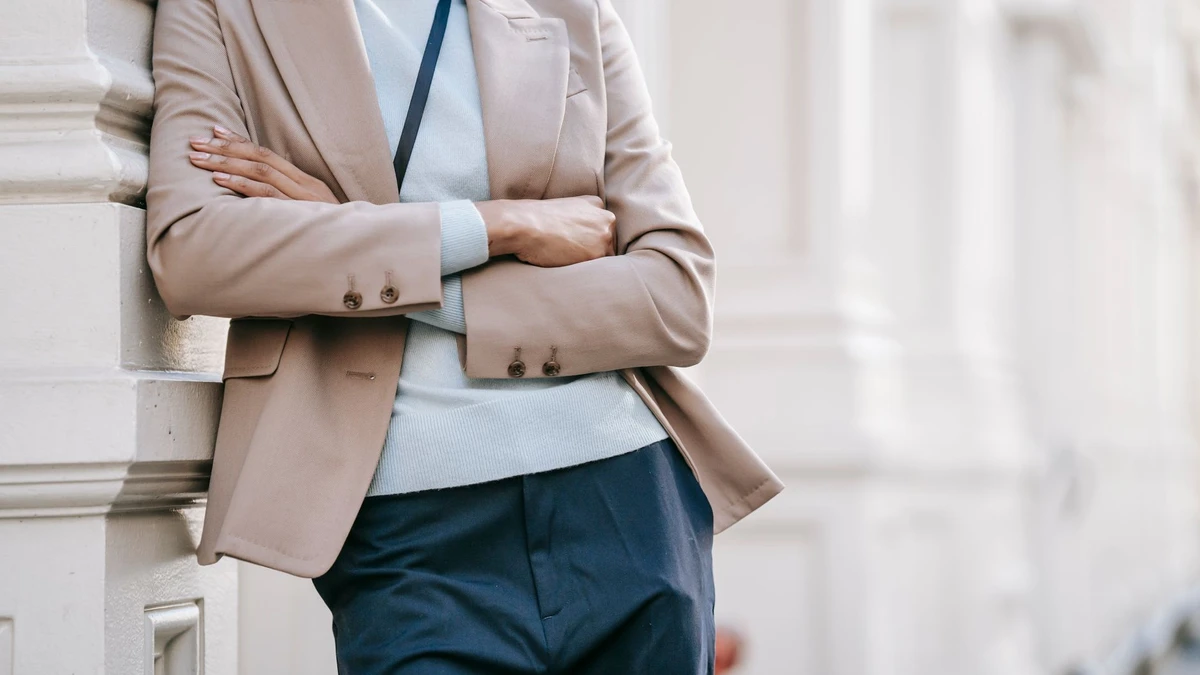
A casual office can be harder to dress for than a formal one. A suit makes the decision for you; a relaxed workplace leaves room for judgment. Show up in a crisp blazer, structured bag, and sharp shoes when everyone else is in sweaters and sneakers, and you may feel like you are headed to a client presentation no one told you about.
The sweet spot is an outfit that looks considered rather than dressed up. You want clean, well-fitting clothes and enough structure to signal that you are at work, but not so many traditionally formal pieces that the outfit reads as boardroom attire.
This is not a guide to business formal dressing, nor is it a defense of wearing sweatpants to work. It is for the person trying to put together a reliable casual office outfit for ordinary days: team meetings, desk work, lunch nearby, and the occasional video call.
Start by reading the office, not the dress-code label
“Casual” means different things from one workplace to another. At one company, clean jeans and sneakers are standard. At another, people wear chinos, dresses, loafers, and casual button-downs, even though the handbook uses the same word.
Before buying a new work wardrobe or defaulting to your most polished pieces, pay attention to what people wear on regular days. Look especially at colleagues who have similar responsibilities or who attend the same meetings you do. Notice the overall level of formality, not every individual item.
A useful question is: Would this outfit look noticeably more formal than what most people wear on a normal Tuesday? If yes, remove or relax one element.
For example, a fitted blazer, silk blouse, slim trousers, and pointed pumps can be perfectly appropriate in many offices. In a truly relaxed environment, though, wearing all four together may feel more formal than necessary. Swap the silk blouse for a cotton tee or fine-gauge knit, or replace the pumps with loafers or clean low-profile sneakers. One adjustment usually does more than a complete outfit change.
Also separate everyday office dressing from high-visibility moments. You may reasonably dress a little sharper for a presentation, interview, executive meeting, or external visitor. The rest of this article is about the normal baseline, not those exceptions.
Build outfits with one polished anchor
The easiest way to avoid looking overdressed is to choose one item with polish, then keep the rest of the outfit relaxed and simple. That anchor can be a jacket, trousers, shoes, or a structured top. It should not be every piece at once.
Here are a few combinations that tend to work well:
- Dark, straight-leg jeans with a neat knit top and leather loafers
- Relaxed trousers with a plain T-shirt, cardigan, and simple sneakers
- A casual midi dress with a denim jacket or soft cardigan and flats
- Chinos with an Oxford shirt worn open at the collar and suede sneakers
- A knit polo or textured sweater with tailored jeans and ankle boots
- A plain blouse with wide-leg pants and minimal sandals, where the office and season make open shoes appropriate
The polished anchor gives the outfit purpose. The casual pieces keep it from looking like a uniform meant for a more formal workplace.
A blazer is often treated as the default answer to every workwear problem, but it is not always the right answer here. In a casual office, a soft cardigan, overshirt, chore jacket, unstructured knit jacket, or neat denim jacket may fit the room better. A blazer is useful when it feels natural in your workplace; it is not required just because you are at work.
Choose fabrics that feel work-ready without feeling formal
Fabric changes an outfit’s mood quickly. Clothes made from crisp, shiny, or highly structured materials often look more formal, even in simple shapes. Softer textures create an easier, more everyday effect.
For a relaxed office, look for materials such as cotton, merino wool, denim, chambray, twill, corduroy, linen blends, jersey knits, and brushed fabrics. These can still look tidy, but they do not carry the same formality as a matching suit fabric, satin blouse, or sharply pressed poplin shirt.
That does not mean every item needs to be soft or slouchy. Too many loose jersey pieces can drift into weekend territory. The better balance is texture plus shape: a substantial cotton tee tucked into trousers, a merino sweater with straight-leg jeans, or a chambray shirt with dark chinos.
Be cautious with fabrics that wrinkle heavily if you sit, commute, or move around a lot. Linen can look easy and appropriate in warm weather, but a fully rumpled shirt may look less intentional by midafternoon. Linen blends, textured cotton, and breathable knits often give a similar relaxed effect with less maintenance.
Fit matters more than formality
An outfit can be casual and still look put together. The distinction usually comes down to fit and condition.
Clothes do not need to be tight or sharply tailored, but they should sit where they are meant to sit. Sleeves should not swallow your hands, pants should not drag on the floor, and shoulders should line up reasonably well. An oversized shirt can look modern and relaxed; an oversized shirt paired with baggy pants, worn-out sneakers, and a wrinkled hem can look accidental instead.
This is where many people overcorrect. They hear “casual” and choose the loosest, softest version of everything they own. Then they feel underdressed and add a formal blazer to compensate. The result can look mismatched.
Instead, use proportion to create ease:
- Pair relaxed trousers with a closer-fitting tee, tank, knit, or tucked-in shirt.
- Wear a roomier sweater with straight or slim-but-not-tight pants.
- If your shirt is long and loose, choose bottoms with a cleaner line.
- Keep hems and sleeve lengths tidy, even when the silhouette is intentionally relaxed.
If an item only works when you constantly tug, tuck, roll, or adjust it, it is not making weekday dressing easier. Save it for a setting where you have more patience for styling.
Let shoes set the tone
Shoes are one of the fastest ways to make a casual office outfit look too formal—or too off-duty.
High-shine dress shoes, pointed stilettos, very sleek ankle boots, and pristine formal pumps can make an otherwise relaxed outfit appear more elevated. They are not wrong, but they can shift the whole look upward. On the other hand, worn running shoes, beach sandals, or slippers often look too informal unless your office clearly treats them as normal.
The middle ground is broad:
| If you want the outfit to feel… | Try shoes such as… | Be mindful of… |
|---|---|---|
| Relaxed but professional | Leather loafers, ballet flats, clean Chelsea boots | Very glossy finishes can look dressier |
| Modern and low-key | Minimal leather sneakers, simple suede sneakers | Keep them clean and free of gym-shoe bulk |
| Slightly polished | Low block heels, refined ankle boots, sleek mules | Pairing them with a blazer and tailored pants may become too formal |
| Warm-weather casual | Clean sandals with support and simple straps | Office norms around open toes vary widely |
A pair of clean, understated sneakers is often more useful than people expect. They make trousers, dark jeans, and simple dresses feel current and relaxed. The important word is clean. Sneakers with visible wear, athletic mesh, or loud branding communicate a different message than a simple leather or canvas pair in good condition.
Keep the outfit from becoming “too much” all at once
Overdressing rarely comes from a single nice item. It usually happens when several elevated signals show up in the same outfit: sharp tailoring, precious fabric, dressy shoes, statement jewelry, a formal bag, and a very polished hairstyle or makeup look.
You do not need to avoid these things entirely. Just decide what should carry the outfit.
For instance, if you wear tailored trousers, add a simple tee and relaxed shoes. If you want to wear a blazer, make it an unstructured one over denim or chinos. If you choose a dressy blouse, pair it with straightforward pants and quieter accessories. A structured handbag can work beautifully, but it may be enough polish on a day when the rest of your outfit is simple.
Accessories deserve a quick reality check. Large statement earrings, a bold watch, stacked jewelry, a belt with prominent hardware, and a structured tote can turn a basic outfit into a more formal one when worn together. Select one or two finishing pieces rather than treating every workday like an occasion.
Easy outfit formulas for common casual-office days
When mornings are busy, formulas are more useful than a closet full of isolated “work clothes.” These combinations leave room for your own style while keeping the level of formality steady.
For jeans-friendly offices
Choose dark or medium-wash jeans without heavy distressing, then add a shirt, knit, or neat top that is a step above weekend clothing. Straight-leg, slim-straight, and relaxed cuts usually work well because they look intentional without being restrictive.
Try dark jeans, a striped cotton tee, a lightweight cardigan, and loafers. Or wear black jeans with a soft button-down shirt and clean sneakers. The clothes are uncomplicated, but the fit and condition make them office-ready.
For offices that lean smart casual
Use trousers, chinos, or a casual skirt as the base, then keep the top approachable. A fine knit, knit polo, open-collar shirt, or simple blouse works better than a highly formal dress shirt or elaborate top.
Consider olive chinos, a cream merino sweater, and suede sneakers. Another dependable option is relaxed navy trousers with a tucked-in T-shirt, a belt, and loafers. If you need a layer, choose a cardigan or unstructured jacket instead of immediately reaching for a blazer.
For dress-and-skirt days
Casual office dresses tend to have uncomplicated shapes and practical fabrics: knit dresses, shirt dresses, cotton poplin styles, and midi dresses with an easy silhouette. Add flats, low boots, or minimal sneakers rather than dress shoes if you want the outfit to remain low-key.
A simple black knit midi dress can go too polished with a sharp blazer, heels, and a structured leather bag. The same dress with a relaxed cardigan, flat boots, and a canvas or softer leather tote is easier for an ordinary office day.
What commonly makes an outfit look overdressed?
A few habits are especially likely to create that feeling:
- Dressing for an imagined client meeting. If there is no presentation, visitor, or special event, you may not need your sharpest look.
- Wearing too many matching pieces. Coordinated blazer-and-trouser sets are useful, but the matching effect usually reads more formal than separates.
- Choosing evening-leaning details. Satin, obvious sparkle, dramatic heels, ornate jewelry, and tiny dress bags can feel out of place during a regular workday.
- Overly pristine styling from head to toe. A pressed shirt is great. A pressed shirt, sharp jacket, polished shoes, and formal accessories together may be more than the setting calls for.
- Confusing expensive-looking with appropriate. A casual office outfit can include quality pieces, but it should not look like every item was selected to impress.
There is one exception: some people naturally prefer a more polished personal style. You do not need to flatten that style to blend in. The practical adjustment is to keep your signature element and relax the rest. If you love tailored jackets, wear one with jeans and sneakers. If you prefer dresses, choose easy fabrics and grounded shoes.
FAQ: Casual office outfit questions
Can I wear jeans to a casual office?
Usually, yes, if jeans are part of the workplace norm. Dark or medium washes, clean hems, and minimal distressing are the safest choices. Pair them with a knit, casual shirt, blouse, or polished T-shirt instead of a graphic tee or gym sweatshirt.
Are sneakers acceptable in a casual office?
Often they are, especially in creative, tech, retail, and flexible corporate workplaces. Choose clean, simple sneakers rather than performance running shoes. If you are new to the office, wear loafers or clean leather sneakers until you get a clearer read on the culture.
Is a blazer too formal for a casual office?
Not automatically. An unstructured blazer in cotton, knit fabric, linen blend, or a relaxed cut can work well. It becomes more formal when combined with matching trousers, a crisp dress shirt, shiny shoes, and formal accessories.
Can I wear leggings to work?
That depends heavily on the office. In most casual professional environments, leggings work best when styled as part of an intentional outfit with a longer top, tunic, overshirt, or casual dress. If most colleagues wear jeans or trousers, leggings may still read as too close to activewear.
What should I wear on my first day at a casual office?
Aim one small step more polished than your guess, without wearing a full formal outfit. For example, choose dark jeans or chinos, a neat knit or button-down, and clean loafers or minimal sneakers. You can adjust once you see how people actually dress.
Use a five-minute check before you leave
Before heading out, look at the outfit as a whole rather than judging each item separately. Ask yourself:
- Is there one clear work-ready piece in this outfit?
- Have I combined several formal signals at once?
- Are the shoes clean, comfortable, and suited to my office?
- Does the fit look intentional without feeling restrictive?
- Would I look comfortable joining coworkers for a normal lunch or impromptu meeting?
If the answer to the second question is yes, remove one polished element. Trade the blazer for a cardigan, the heels for loafers, or the formal shirt for a fine knit. That small edit is usually all it takes to make your outfit feel appropriate, confident, and comfortably part of the room.