

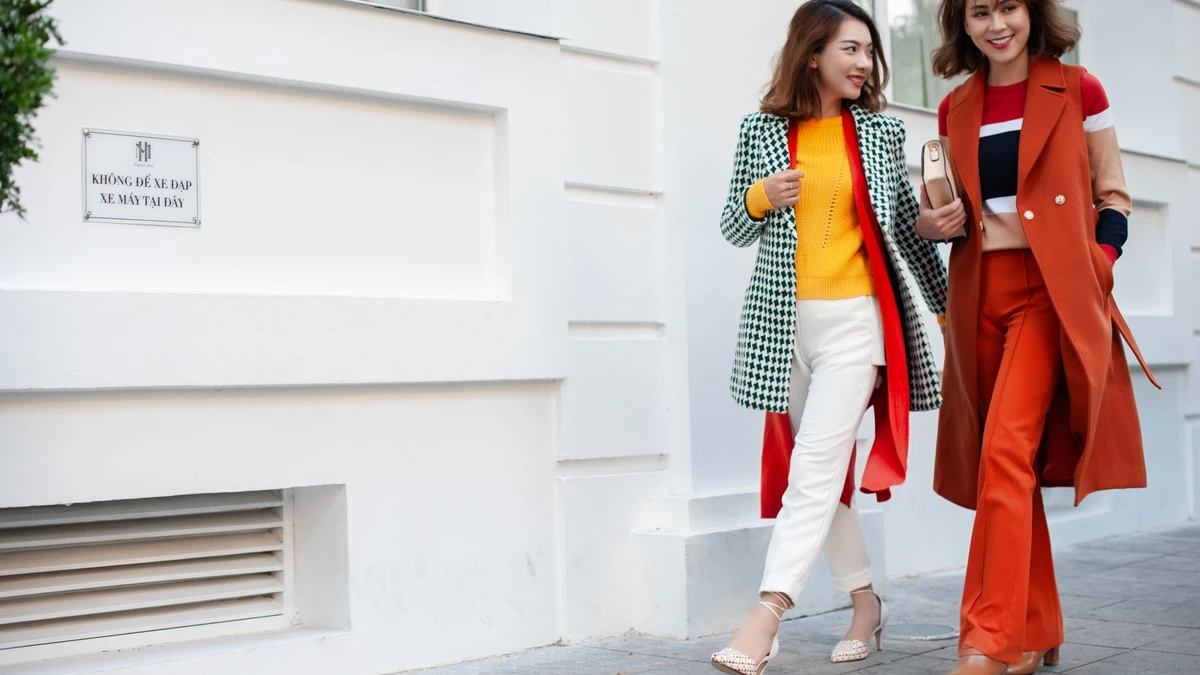
A closet full of beige, black, gray, and denim can make getting dressed feel easy. It can also start to feel flat. On the other hand, a wardrobe packed with bright colors may offer plenty of personality but create a daily coordination problem.
So, are neutral outfits better than colorful ones? Usually, no. Neutral and colorful palettes solve different style problems. Neutrals tend to make outfits easier to combine, while color can make a look more distinctive and emotionally satisfying. The better choice is the palette that fits your lifestyle, taste, existing wardrobe, and willingness to plan outfits.
This comparison focuses on choosing a clothing color palette. It does not cover seasonal color analysis, body-shape rules, or a complete capsule wardrobe system. Those topics can help with more specialized decisions, but you can choose a useful palette without following a strict color theory method.
Neutral vs colorful outfits at a glance
| Consideration | Neutral outfits | Colorful outfits |
|---|---|---|
| Coordination | Usually quick and forgiving | Can require more planning |
| Visual effect | Quiet, refined, adaptable | Expressive, energetic, noticeable |
| Shopping flexibility | Easy to build around a few core shades | More dependent on intentional color choices |
| Risk | Looking repetitive or overly cautious | Creating combinations that feel disconnected |
| Best for | Simple dressing and mix-and-match wardrobes | Personal expression and strong visual variety |
| Ideal approach | Vary texture, silhouette, and contrast | Control the palette with repeated colors or neutrals |
The table is a starting point, not a verdict. A neutral outfit can be dramatic, and a colorful outfit can be understated. The difference comes from the shades, proportions, fabric, fit, and styling choices around the color.
Why neutral outfits feel easier
Neutral colors are generally easier to combine because they create fewer visual conflicts. Black, white, cream, gray, navy, brown, olive, and denim can often work together without requiring a detailed plan. A navy sweater, gray trousers, and brown shoes may look considered even when the outfit was assembled quickly.
Neutrals also provide a stable foundation for pieces that are harder to wear. A patterned blouse, bright sneaker, or unusual jacket usually feels more manageable when the rest of the outfit is quiet. This is one reason neutral wardrobes often appeal to people with busy mornings or jobs that call for adaptable clothing.
Another advantage is repeatability. If most of your wardrobe shares a related neutral base, you can wear the same jacket, shoes, or trousers in many combinations. That does not necessarily mean owning fewer clothes, but it can reduce the number of decisions required to use what you already own.
Still, neutral does not mean automatically polished. A head-to-toe black outfit can look sharp, relaxed, severe, or unfinished depending on the fabric and fit. Several similar beige pieces may blend together without enough contrast. Neutrals need variation too, often through texture, shade, shine, pattern, or silhouette.
For example, a monochromatic cream outfit can look rich when it combines a soft knit, structured trousers, and leather accessories in slightly different tones. The interest comes from the relationships between the pieces rather than from bright color.
Why colorful outfits can be more satisfying
Colorful dressing makes the outfit itself more visible. A saturated green coat, cobalt trousers, or red cardigan can communicate energy before anyone notices the details of the cut. For people who enjoy fashion as a form of expression, color may feel more rewarding than a carefully coordinated neutral wardrobe.
Color can also change the mood of familiar clothes. The same simple shirt may feel relaxed in pale blue, dramatic in black, playful in yellow, or sophisticated in deep burgundy. If your closet feels boring, adding color may create more interest than buying a completely different style of garment.
The trade-off is that color usually asks for more judgment. Bright pieces may not work with every item you own, and two colors that look appealing separately may compete when worn together. Some people enjoy that creative process. Others find it tiring and prefer clothing that coordinates almost automatically.
Colorful outfits can also become less versatile if every purchase is based on a different accent shade. A wardrobe with orange, violet, lime, turquoise, and hot pink may contain beautiful individual pieces but few convincing combinations. The issue is not that the colors are too bold. It is that they may lack a shared visual relationship.
The real choice: your tolerance for coordination
The most useful question is not whether you prefer neutral or colorful clothes in theory. Ask how much coordination you want to do on an ordinary morning.
If you want to dress in five minutes, rely on a small set of repeatable combinations, or travel with limited luggage, a neutral base will probably serve you well. If you enjoy planning outfits, experimenting with combinations, and using clothes to reflect your mood, a more colorful palette may be worth the extra effort.
Your work and social settings matter too. Some environments make bright clothing feel natural, while others reward a quieter approach. That does not mean you need a completely neutral wardrobe for a conservative workplace. A colorful accessory, muted jewel tone, or patterned shirt can add personality without making the outfit difficult to wear.
Your laundry and shopping habits are relevant as well. If you wash clothes frequently and wear a small number of favorites, versatile neutrals may earn their place more often. If you enjoy rotating through many pieces, color can help create a wider sense of variety.
Choose a palette using three layers
Rather than choosing between all-neutral and all-colorful dressing, build a palette in layers. This gives you structure without making your wardrobe feel restrictive.
1. Pick two or three foundation neutrals
Start with colors you would willingly wear several times a week. These might be black and white, navy and cream, charcoal and gray, or brown and denim. Your foundation neutrals do not need to be the same as someone else’s.
Consider the clothes you already reach for. If most of your favorite shoes are brown, a palette built around black may create unnecessary friction. If your outerwear is navy, adding gray, cream, and denim may be more useful than introducing a completely separate group of shades.
Foundation neutrals should appear in practical pieces such as trousers, jeans, jackets, sweaters, skirts, or everyday shoes. They are the colors that hold the wardrobe together.
2. Add supporting shades
Supporting colors sit close to your foundation neutrals and make them easier to wear. Olive can connect brown, cream, and denim. Burgundy can work with navy, gray, and black. Soft blue can bridge white, tan, and medium-wash denim.
These shades are especially useful if you want some color but do not want every outfit to feel bold. Muted or deeper colors often behave more like neutrals because they are less visually intense.
Choose supporting shades based on actual combinations, not isolated preference. You may love a bright orange blouse, but if it only works with one pair of trousers, it may not be the right next addition. A less dramatic rust, coral, or terracotta may create more opportunities.
3. Choose one or two accent colors
Accent colors are the shades that attract attention. They can appear in a coat, dress, sweater, bag, shoe, scarf, or jewelry. You do not need many accents. One well-chosen color can give a neutral wardrobe a clear point of view.
A practical test is the three-outfit rule: before buying an accent piece, name at least three outfits you can create with it using clothes you already own. If you cannot, the item may be better as an occasional statement purchase than as a useful part of your everyday palette.
Three palette strategies that work in real closets
The neutral foundation with color accents
This is often the easiest starting point for someone moving away from an all-neutral wardrobe. Keep most major pieces in dependable colors and introduce color through one visible item at a time.
For example, charcoal trousers, a cream top, and black loafers can support a red cardigan. The same foundation can later work with a green jacket or blue bag. Because the base remains consistent, each accent feels intentional rather than disconnected.
This strategy suits people who want more personality but do not want to rethink every item they own. It also makes bold purchases less risky because the surrounding clothes are familiar.
The tonal palette
A tonal palette uses different shades of one color family. You might combine pale blue, denim, slate, and navy, or wear blush, rose, berry, and burgundy together.
Tonal outfits are colorful without requiring many unrelated colors. They can feel calm because the shades share a visual connection. To prevent the outfit from looking too uniform, vary the depth of color or add a neutral accessory.
Tonal dressing is useful when you like color but struggle with contrast. It offers a clear boundary: you can experiment within one family before combining several bright colors.
The controlled contrast palette
This approach combines two or three distinct colors with a neutral anchor. For example, you might pair a blue shirt with rust trousers and finish with brown shoes, or wear a purple sweater with olive pants and a cream coat.
The neutral anchor keeps the combination grounded. Repeating one color in a small detail can also help. A blue belt, bag, or stripe may make blue trousers and a blue shirt feel connected even if the shades are not identical.
Controlled contrast works best when one color leads and the others support it. If every item is equally bright, the outfit may feel busy. Strong combinations usually have a clear visual hierarchy.
How to tell whether a color belongs in your wardrobe
A color can look attractive on a hanger and still be inconvenient to wear. Before adding it, consider four questions:
- Can you name several pieces you own that work with it?
- Would you feel comfortable wearing it in the settings you visit most?
- Does it fit the mood you want your clothes to create?
- Are you choosing it because you genuinely like it or because it seems useful in theory?
The last question deserves attention. People often buy colors they believe they should wear rather than colors they actually enjoy. A flattering shade is not helpful if you repeatedly avoid putting it on.
Look at your most-worn clothes, not just your favorite images online. Your existing habits reveal more about your workable palette than a saved collection of outfits. If you repeatedly choose muted colors, you might prefer a wardrobe built around soft contrast. If you reach for saturated pieces, forcing yourself into beige may make dressing feel dull.
Common palette mistakes and how to correct them
Buying a statement color without a supporting base
A bright item may be exciting but difficult to use if the rest of the wardrobe does not support it. Correct this by identifying two or three existing neutrals that can calm it down. If none work, treat the item as a special-occasion piece rather than buying more clothes just to justify it.
Assuming all neutrals coordinate equally
Black, brown, navy, cream, and gray are versatile, but their undertones and visual weight can affect how they work together. A warm cream may look more natural with camel and brown than with icy gray. A deep navy may pair more easily with burgundy than with a very bright primary red.
You do not need perfect color matching. You do need to notice whether the combination feels deliberate. When in doubt, add contrast through texture or use a third color to create separation.
Adding too many unrelated accent colors
A new color can seem harmless, but several isolated accents make a wardrobe harder to use. Try repeating a color in at least two categories, such as tops and accessories or dresses and shoes. Repetition gives the palette a sense of continuity.
Treating personal coloring as a strict rulebook
Skin, hair, and eye coloring can influence which shades feel harmonious, but they should not override comfort or preference. Color analysis is a possible reference point, not a requirement. A shade that technically falls outside a recommended palette may still be one you love wearing.
A practical decision guide
Choose a mostly neutral palette if you want quick outfits, frequent reuse of the same pieces, easy packing, and a quieter visual presence. It is also a sensible choice when you are rebuilding a wardrobe and need a dependable foundation before experimenting.
Choose a more colorful palette if clothing is one of your main creative outlets, you enjoy planning combinations, and your lifestyle gives you room to wear expressive shades. Color is especially useful when your existing clothes already feel too similar and you want variety without constantly changing silhouettes.
Choose a mixed palette if you want both convenience and expression. For many people, this is the most sustainable long-term option: neutral foundations, a few supporting shades, and a small number of colors that make the wardrobe feel personal.
Start with your next five outfits
You do not need to decide your entire style identity before choosing a palette. Open your closet and plan five outfits for situations you actually encounter this week. Note which colors appear repeatedly, which combinations feel effortless, and where you wish you had more variety.
Then make one focused adjustment. Add a supporting color if your wardrobe feels too plain, or add a reliable neutral if your colorful pieces are difficult to combine. A useful palette is built through repeated wear, not through a perfect color chart.
The strongest choice in the neutral vs colorful outfits debate is the one that makes your existing clothes easier and more enjoyable to wear. Let neutrals provide structure, let color provide character, and adjust the balance according to your real mornings rather than an abstract style rule.