

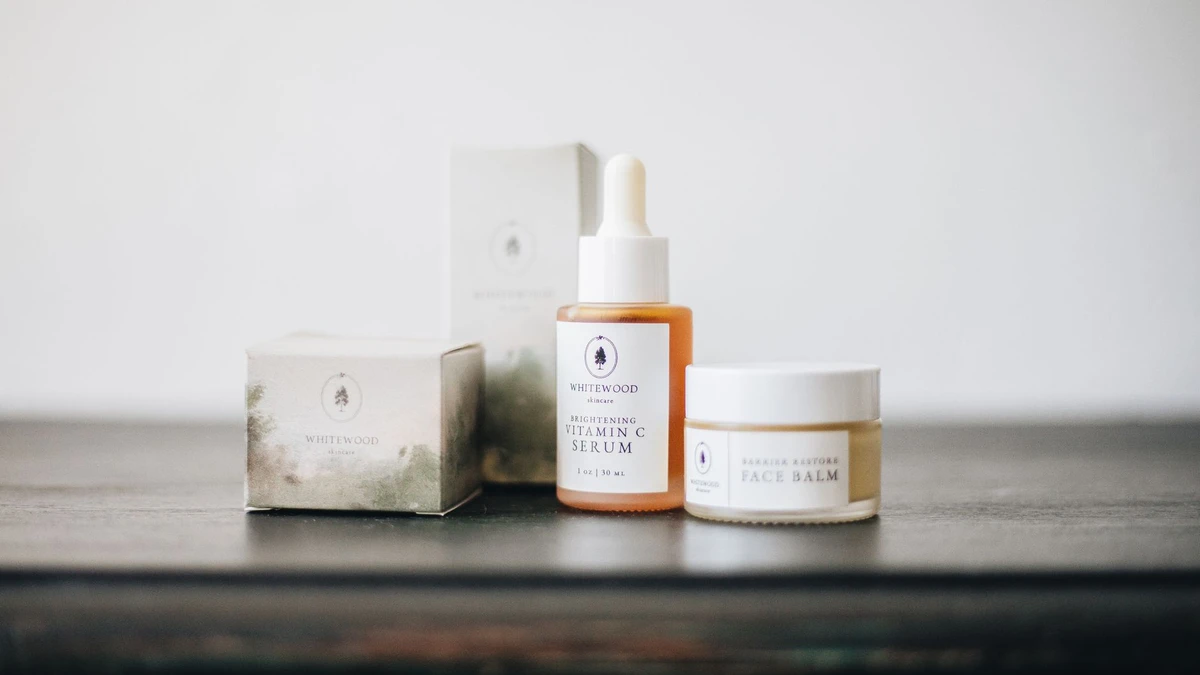
A serum, moisturizer, and face oil can all appear in the same skincare routine, but they are not three versions of the same product. Each has a different job, and using one in place of another can leave your skin feeling dry, greasy, tight, or simply underwhelmed.
The easiest way to understand the difference is to look at what each product is built to do. A serum usually delivers a concentrated selection of ingredients. A moisturizer helps add and hold water while supporting the skin barrier. A face oil mainly supplies lipids and helps reduce water loss from the surface.
That does not mean everyone needs all three. The right choice depends on what your skin is missing, how simple you want your routine to be, and whether the formulas agree with your skin. This comparison focuses on their roles, their limitations, and how to decide what belongs in your routine. It does not attempt to cover every active ingredient, skin condition, or complete skincare regimen.
The Short Answer
Here is the practical distinction:
- Serum: A lightweight, often concentrated product designed to target a particular concern or provide a specific type of support.
- Moisturizer: A cream, lotion, gel, or balm that hydrates the skin and helps strengthen or protect its moisture barrier.
- Face oil: An oil-based product that softens the skin and helps seal in moisture by reducing water loss.
A useful way to picture the three is this: serum is usually the treatment step, moisturizer is the comfort and barrier-support step, and face oil is often the finishing step. Those categories overlap, though. Some serums contain oils, some moisturizers include treatment ingredients, and some face oils are formulated with ingredients intended to address specific concerns.
The label alone is not enough. The ingredient list and the texture tell you more about how a product will behave.
What a Serum Does
Serums are usually made with a thin texture and a relatively focused formula. Their purpose is often to deliver ingredients that support a particular goal, such as improving the look of uneven tone, providing hydration, smoothing the appearance of rough texture, or reducing the feeling of dryness.
A hydrating serum may contain humectants, which attract water to the outer layers of the skin. A formula designed for dull-looking skin might contain ingredients chosen for brightening support. Another serum may focus on soothing or antioxidant ingredients. The word "serum" describes the product category and texture more than a single formula standard, so two serums can behave very differently.
Serums are often applied after cleansing and before moisturizer. Their lighter texture generally makes them comfortable under heavier products. However, a serum is not automatically more effective than a moisturizer simply because it sounds more concentrated. A poorly chosen serum can irritate the skin, pill under other products, or add another step without solving the actual problem.
Where Serums Are Most Useful
A serum can make sense when you have a specific reason to add one. For example, someone whose skin feels tight after cleansing might prefer a simple hydrating serum under a moisturizer. Someone concerned with the appearance of uneven tone may choose a serum formulated around ingredients intended for that concern.
The important word is specific. If your skin is comfortable and your moisturizer already meets your needs, adding a serum may not improve your routine. Skincare becomes harder to evaluate when several new products are introduced at once.
Serums also vary in how much support they provide on their own. A watery hydrating serum may leave skin feeling comfortable for a short time but still need a moisturizer over it. A richer serum may contain enough emollients to feel more substantial. Do not assume a serum can replace moisturizer unless the formula and your skin actually support that choice.
What a Moisturizer Does
Moisturizer is the broadest of the three categories. It can be a lightweight gel, a fluid lotion, a cream, or a rich balm. Despite the texture differences, moisturizers generally aim to improve skin hydration and reduce the effects of moisture loss.
Most moisturizers combine several types of ingredients:
- Humectants help attract water to the skin's outer layers.
- Emollients help soften and smooth the spaces between surface skin cells.
- Occlusives form a protective layer that slows water loss.
- Barrier-supporting ingredients may help the skin feel more resilient and less uncomfortable.
Not every moisturizer contains all of these categories in equal amounts. A lightweight gel may feel refreshing but provide less protection for very dry skin. A thick cream may be useful in cold or dry weather but feel too heavy in a hot, humid climate. The best texture is the one that provides enough comfort and protection without making you avoid using it.
Moisturizer is often the most essential product in this comparison because it supports the basic condition of the skin rather than targeting only one concern. Even when you use a serum, moisturizer may be the step that keeps the skin from feeling tight afterward.
Why Moisturizer Is Not the Same as Face Oil
An oil can make skin feel soft and smooth, but softness is not the same as hydration. Oils generally do not provide water to the skin in the same way that a water-based moisturizer or hydrating serum can. Instead, they mainly supply lipids and help slow the escape of water from the surface.
That is why replacing moisturizer with oil may work for some people in some routines but leave others feeling dry. If the skin lacks water as well as oil, applying only an oil may create a smooth surface without resolving the underlying tight feeling.
What a Face Oil Does
Face oils are blends of oils selected for their texture, stability, and skin feel. They may be derived from plants, seeds, fruits, or other sources. Some are simple single-oil formulas, while others combine several oils and may include additional ingredients.
The main role of a face oil is to soften the skin and create a more protective, comfortable finish. Because oils can reduce water loss, they are often most useful after a water-based product or moisturizer. This is why face oil is commonly described as a sealing step.
Face oil can also improve the feel of a routine. If your moisturizer leaves your skin comfortable but slightly rough, a small amount of oil may add slip and softness. In dry weather, oil may help prevent the surface from feeling stripped. For some people, it can be a useful evening step rather than a product needed both morning and night.
Still, face oil is not automatically ideal for dry skin. Dryness can involve a lack of water, a weakened barrier, or both. Oil may help with the lipid side of the problem, but it cannot address every cause of dryness on its own.
Face Oil Trade-Offs
The main advantage of face oil is its ability to provide a soft, protective finish with only a few drops. The trade-off is that it can feel greasy, transfer onto clothing or bedding, or sit heavily under makeup. Some formulas may also contribute to clogged pores or irritation for people who are sensitive to particular ingredients.
Skin type labels are not perfect predictors here. Someone with oily skin may enjoy a light oil in a small amount, while someone with dry skin may dislike a rich oil. Texture, formula, climate, and personal tolerance matter as much as broad skin-type categories.
How the Three Products Work Together
A typical layering order is:
- Cleanse, if cleansing is part of your routine.
- Apply serum to clean, slightly damp or dry skin, according to the product directions.
- Apply moisturizer.
- Add face oil if you want extra softness or surface protection.
- Use sunscreen during the day as the final dedicated sun-protection step.
This order follows a general texture principle: apply lighter, water-based products before thicker or more oil-rich products. It is not an inflexible law. A particular formula may be designed to work differently, and product directions should take priority when they clearly specify another method.
For example, consider someone whose skin feels tight after washing but becomes shiny by midday. A reasonable starting routine might be a gentle cleanser, a simple hydrating serum if needed, and a lightweight moisturizer. Adding face oil immediately may make the routine feel heavier without addressing why the skin feels tight.
Now consider someone whose skin feels comfortable after moisturizing but becomes rough during a cold, dry season. A few drops of face oil over the moisturizer at night may provide the extra surface protection they are looking for. The oil is not replacing hydration; it is helping preserve the comfort created by the products underneath.
Do You Need All Three?
No. Many people can build an effective basic routine with a cleanser, moisturizer, and daytime sunscreen. A serum is optional and makes the most sense when you have a clear reason to use one. Face oil is also optional and tends to be a preference-based addition rather than a universal requirement.
If you want the simplest decision possible, start with moisturizer. Choose a texture that you will use consistently and that leaves your skin comfortable without excessive greasiness or tightness. Give the routine time to settle before adding another product.
Add a serum when you want targeted support that your basic moisturizer does not provide. Add face oil when you want more softness or protection from surface water loss and your existing products are not quite enough.
Using all three can be reasonable, but more products also mean more chances for pilling, irritation, unnecessary expense, and confusion about what is helping. A short routine that meets your needs is usually easier to maintain than a long one assembled from labels alone.
How to Choose Between Them
Use the problem you are trying to solve as the starting point:
- Your skin feels tight or uncomfortable: Begin with a moisturizer that supports hydration and barrier comfort. A hydrating serum may help, but it should not be assumed to replace moisturizer.
- You want to address one particular concern: A serum may be the most focused option, provided its ingredients and directions suit your routine.
- Your skin feels rough or loses comfort quickly: A richer moisturizer may help first. Face oil can be considered as an additional sealing step.
- You dislike heavy textures: Look for a lightweight lotion or gel moisturizer and be cautious with rich oils and layered products.
- You want fewer products: Choose a moisturizer that already provides the texture and support you need. Skip the serum or oil unless it has a clear purpose.
Read the product label, but do not rely on marketing terms alone. A "glow oil" is still an oil-based product, and a "water cream" is still a moisturizer. Look at the texture, the ingredient list, and the use instructions.
Common Mistakes to Avoid
Treating Serum as a Category of Strength
A serum is not automatically stronger, more concentrated, or better than a cream. Formulas differ widely. Choose based on the ingredients and your skin's response, not the prestige of the product type.
Using Oil on Skin That Still Feels Dehydrated
If an oil leaves your skin shiny but still tight, the routine may need more water-based hydration or a better moisturizer rather than more oil. A smooth finish can hide, but not necessarily solve, discomfort.
Layering Too Much at Once
Several thin products can become heavy when combined, especially under makeup or sunscreen. Introduce one new product at a time when possible. This makes it easier to notice irritation and identify which product is responsible if your skin reacts.
Ignoring Irritation
Stinging, persistent redness, itching, or worsening discomfort is not a sign that a product is working better. Stop using a product that clearly irritates your skin and seek professional advice for persistent or severe symptoms. Skincare products can cause reactions, and a product being marketed for a particular skin type does not guarantee that everyone will tolerate it.
A Practical Starting Routine
For a straightforward routine, use a gentle cleanser if needed, followed by moisturizer. In the morning, finish with sunscreen. After you know that routine feels comfortable, decide whether you have a specific reason to add a serum.
If your skin needs extra softness, try a small amount of face oil over your moisturizer, preferably at night at first. You do not need several drops if one or two are enough to spread comfortably. If the result feels greasy, causes congestion, or makes other products pill, reduce the amount or leave the oil out.
The serum-moisturizer-face oil difference comes down to purpose: serum targets, moisturizer hydrates and supports, and face oil softens and helps seal. Start with the product that addresses your most obvious need, keep the routine manageable, and let your skin's comfort guide the next addition.