

The Core Idea
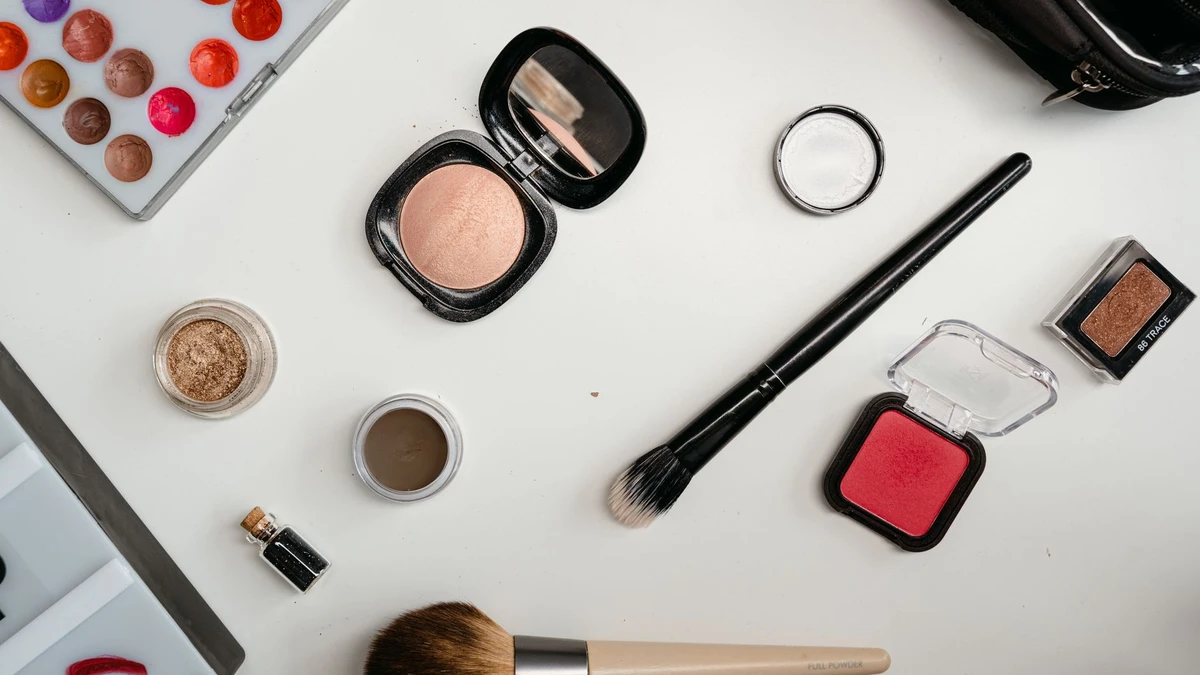
A minimal makeup kit is not about owning as little makeup as possible. It is about choosing a small group of reliable products that cover your everyday needs without creating clutter, wasted money, or a complicated routine. The goal is to look polished and feel comfortable using fewer steps, whether you are getting ready for work, running errands, attending class, or meeting friends.
Many makeup bags become difficult to use because they contain too many similar products. You may have several foundations, multiple nearly identical lip colors, or products purchased for special occasions that rarely leave the drawer. This creates decision fatigue: instead of making your routine easier, your collection makes it harder to know what to use. Some products may also expire before you finish them, especially cream formulas and eye products.
The solution is to build around your actual daily habits rather than around a long list of beauty categories. Start by identifying what helps you feel most put together. For one person, that may mean even-looking skin, defined brows, mascara, and lip color. For another, it may mean concealer, cream blush, and sunscreen, with no eye makeup at all. There is no universal starter kit because the right selection depends on your skin, preferences, lifestyle, and comfort level.
The best everyday collection usually includes versatile products that can perform more than one job. A tinted moisturizer may provide light coverage while helping streamline the complexion step. A cream blush can add color to the cheeks and, if the formula is suitable, create a soft tint on the lips. A neutral brow product can shape the face without requiring a full eye makeup routine. Multifunctional items are especially useful when you travel, have limited storage, or want to get ready quickly.
This approach also helps you shop more intentionally. Instead of buying every product recommended by a trend or influencer, you can ask whether an item fills a genuine gap. Does it make your routine faster? Does it work with products you already own? Will you use it several times a week? If the answer is no, it may not belong in your everyday collection.
A well-planned minimal makeup kit should feel flexible, not restrictive. It can give you a dependable baseline for ordinary days while leaving room to add one or two extras for evenings, events, or changing seasons. The emphasis is on performance, simplicity, and repeat use. When every product earns its place, applying makeup becomes less of a daily decision and more of a quick, satisfying routine.
What to Look For
When choosing products for a minimal makeup kit, compare how many jobs each item can do, how reliably it performs, and how well it fits your actual routine. A product may look appealing online, but it is only a useful purchase if you will reach for it regularly.
1. Choose products that solve a daily need
Start by identifying the steps you genuinely use. If you want to even out redness, a lightweight skin tint or medium-coverage concealer may be more practical than a full-coverage foundation. If your brows are already full, you may need only a tinted gel rather than a pencil, pomade, and powder.
Look for essentials that address your most common concerns:
- Skin tint, foundation, or concealer for complexion
- Cream blush or bronzer for adding color
- Mascara for definition
- Brow gel or pencil for shaping
- Lip balm, tint, or lipstick for color and moisture
You do not need one product from every category. The right selection depends on what makes the biggest visible difference for you.
2. Prioritize versatility
Multipurpose products are valuable when they perform well in more than one area. A cream blush that can also be tapped onto the lips may replace a separate cheek and lip color. A neutral brow pencil might define the brows and softly line the eyes. A sheer bronzer can add warmth without requiring a separate contour product.
However, versatility should not mean accepting poor performance. A product that is marketed for cheeks, lips, and eyes is not automatically a good choice for all three. Check the formula, finish, and intended use. Cream formulas are often easy to blend with fingers, while powders may be more suitable for oily skin or humid weather.
3. Match formulas to your skin and lifestyle
Consider how your skin behaves during a normal day. Dry or mature skin may look more comfortable with hydrating, flexible formulas and a natural finish. Oily skin may benefit from long-wearing, lightweight products that do not become slick within a few hours. If you are often outdoors, look for makeup that works comfortably with sunscreen and does not require frequent touch-ups.
Your schedule matters as well. A busy commuter may prefer a compact cream product and a formula that sets quickly. Someone who enjoys a slower morning routine may value buildable coverage and more precise application.
4. Check shades in realistic conditions
A shade should work with your undertone, natural coloring, and everyday wardrobe. For complexion products, test along the jawline rather than the hand, and check the color in daylight if possible. For blush and lip products, ask whether the shade is easy to wear without coordinating your entire look around it. Soft rose, peach, berry, or warm nude shades are often more practical for frequent use than highly dramatic colors.
5. Consider packaging, wear, and value
Compact, secure packaging makes products easier to store and travel with. Look for hygienic applicators, sturdy closures, and formulas with a reasonable shelf life. Compare cost per use, not just the price tag: a dependable product used several times a week can offer better value than a cheaper item that sits untouched. The best choices are simple to apply, comfortable to wear, and useful often enough to earn their place.
A Practical Approach
Building a minimal makeup kit is easier when you treat it as a small routine rather than a collection of individual products. The goal is to create a dependable sequence that fits your mornings, budget, and comfort level. Use the following steps to decide what belongs in your kit and what can stay on the shelf.
1. Map your everyday routine
Write down the makeup steps you currently use on a typical weekday, not the routine you imagine having more time for. Separate them into three groups: products you use almost every day, products you use occasionally, and products you rarely touch. The first group should shape your kit. The second group may justify one versatile addition, while the third group probably does not belong in an everyday collection.
This simple audit prevents you from buying duplicate shades or aspirational products that require more effort than your schedule allows.
2. Choose a base strategy
Decide how much complexion coverage you actually want before selecting a formula. For a quick, natural finish, choose either a skin tint, tinted moisturizer, or concealer used only where needed. If you prefer more coverage, select one foundation that blends easily and does not require several supporting products.
Test the color in natural light when possible, and consider whether the formula works with your usual moisturizer and sunscreen. A base that separates, feels heavy, or needs constant touch-ups will not earn a permanent place in your minimal makeup kit.
3. Add one multitasking color product
Next, choose a product that can bring color to more than one area. A cream blush may also work on the lips, while a sheer lip-and-cheek tint can simplify your routine even further. Select a shade that looks believable on your skin and can be applied with fingers if you are in a hurry.
Multi-use products are most helpful when their texture suits every intended area. A very dry formula may look attractive on the cheeks but uncomfortable on the lips, so prioritize blendability and wear over the number of claims on the label.
4. Define the features that matter most
Choose only the feature-enhancing products that make a visible difference to you. This might mean a brow gel, mascara, or a neutral pencil for the eyes. You do not need a complete eye palette if one mascara makes you feel polished, and you can skip brow products if your brows already have the shape and density you like.
Think in terms of impact per minute. The best addition is the one that noticeably improves your appearance without adding a complicated application step.
5. Test the routine before buying backups
Use your selected products together for at least several days before purchasing replacements, multiple shades, or travel sizes. Notice how long the routine takes, whether the products layer comfortably, and which items you instinctively skip. If you consistently avoid something, remove it rather than forcing yourself to use it.
Finally, store the finished collection where you get ready. A small pouch or tray makes the routine visible and limits impulse additions. Reassess it every few months as your preferences, skin needs, or schedule change. A practical kit should stay flexible, useful, and easy to maintain.
Common Mistakes to Avoid
A small collection can still become frustrating if it is built around the wrong priorities. Avoiding these common mistakes will help your everyday routine stay quick, comfortable, and genuinely useful.
Buying for an imaginary lifestyle
One of the easiest errors is shopping for the person you hope to become rather than the person you are on a normal weekday. A full-coverage foundation, elaborate contour palette, or highly pigmented liquid lipstick may look appealing online, but it can sit unused if your real routine is five minutes long.
This creates clutter and makes the kit feel like a collection of obligations. Before buying, ask: “Would I realistically use this on a rushed morning?” If the answer is no, leave it out or place it on a future wish list. Products should earn their space through regular use, not aspirational appeal.
Choosing the wrong shade because it is convenient
A bargain is not useful if the color requires constant blending, correcting, or avoiding. This is especially common with complexion products, concealer, blush, and lipstick. A shade that looks suitable under store lighting may appear too pink, orange, gray, or deep in natural daylight.
Test complexion products along the jawline rather than the hand, then check them near a window. Give the formula several minutes to settle, since some products oxidize or become more noticeable as they dry. For blush and lip color, consider whether the shade works with the rest of your everyday products instead of judging it in isolation.
Prioritizing too many finishes
A kit can become unnecessarily complicated when every product has a different finish: matte base, luminous concealer, glossy blush, shimmery highlighter, and metallic eyeshadow. The result may be difficult to balance and less appropriate for daily wear.
Instead, choose finishes that work together and suit your skin’s usual appearance. If you prefer a natural look, a satin complexion product and softly radiant cheek color may be more versatile than several extreme textures. A quick test is to apply the products together on one side of your face. If one item dominates or makes another look uneven, it may not deserve a place in your minimal makeup kit.
Ignoring application tools and hygiene
Even good formulas can perform poorly when applied with a dirty sponge, worn-out brush, or unsuitable tool. Buildup can make products look patchy and may contribute to skin irritation or breakouts.
You do not need a large brush collection, but you do need a reliable way to apply each product. Clean reusable tools regularly, replace damaged sponges, and avoid sharing eye or lip products. If a cream product develops an unusual smell, changes texture, or irritates your skin, stop using it rather than trying to rescue it.
Keeping products past their useful life
Makeup is not permanent. Mascara and liquid eye products generally need especially frequent replacement, while creams can also degrade from heat, air, and repeated contact with fingers. Mark the opening date on products you use often and follow the package’s recommended period after opening.
When reviewing your kit, discard anything that smells different, separates unusually, causes irritation, or has become difficult to apply. A smaller collection of fresh, dependable products is more valuable than a larger one filled with questionable backups.