

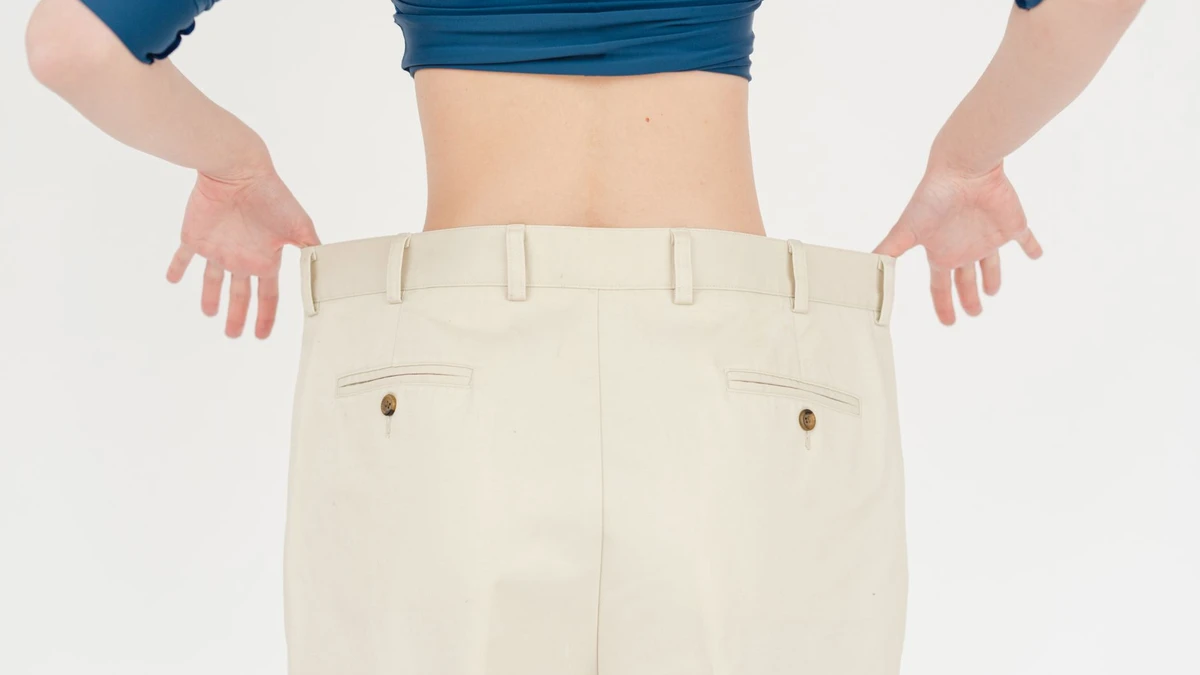
Choosing between oversized and tailored clothing is less about following a trend and more about deciding how you want your clothes to function. Do you want room to move, a relaxed silhouette, and an easy sense of volume? Or do you prefer clean lines, defined proportions, and clothing that follows the shape of your body more closely?
Neither option is automatically more flattering or more stylish. The right choice depends on your comfort, proportions, daily routine, wardrobe habits, and the impression you want to create. A loose blazer can look polished when its volume is controlled, while a fitted outfit can look awkward if every piece is pulling or restricting movement.
This guide focuses on that decision: oversized vs tailored fit. It does not cover every clothing cut, body-shape system, or seasonal trend. Instead, it gives you a practical way to compare the two approaches and decide when each one makes sense.
Oversized vs tailored fit: the basic difference
An oversized fit is deliberately cut with extra room through areas such as the shoulders, chest, waist, sleeves, or legs. The garment may sit away from the body, create visible drape, or use volume as a central part of the design. Oversized does not necessarily mean buying several sizes too large. A well-designed oversized piece usually has proportions that were planned for a relaxed shape.
A tailored fit is closer to the body's natural outline. It may still allow movement, but the shoulders, waist, sleeves, rise, and leg line are more controlled. Tailoring can be sharp and formal, or it can be soft and casual. A fitted T-shirt and a structured suit are very different garments, but both can fall under the broader tailored approach.
The distinction is easiest to see in the outline of an outfit:
| Consideration | Oversized fit | Tailored fit |
|---|---|---|
| Overall shape | Relaxed, roomy, and often more dramatic | Defined, controlled, and closer to the body |
| Main strength | Comfort, movement, layering, visual ease | Structure, clarity, polish, and proportion |
| Common risk | Looking swallowed by fabric or unintentionally sloppy | Feeling restrictive or overly formal |
| Works especially well for | Casual wardrobes, layering, relaxed silhouettes | Workwear, occasion dressing, clean everyday outfits |
| Requires attention to | Length, volume, and balance | Mobility, pulling, and accurate measurements |
These are broad tendencies, not rules. The fabric, color, styling, and quality of construction can change the effect considerably.
When an oversized fit is the better choice
Oversized clothing is useful when comfort and movement are high priorities. A roomy shirt can make a hot day feel less restrictive, while a generous coat can accommodate sweaters and other layers. Relaxed trousers can also be easier to wear for long periods than a narrow pair that constantly needs adjusting.
The style works particularly well when you want your outfit to feel informal, creative, modern, or deliberately nonchalant. Oversized clothing can soften a formal item, too. For example, a loose button-down worn over a fitted tank and straight-leg pants may feel more relaxed than a conventional tucked-in shirt without looking careless.
Oversized pieces are also helpful if your wardrobe depends on layering. A roomy overshirt, cardigan, or jacket can sit over a sweater without creating uncomfortable tension at the shoulders. This is one reason relaxed proportions often work well in transitional weather.
There is a visual advantage as well. Volume can make a simple outfit more expressive. A wide-leg trouser, large coat, or oversized knit can become the main shape of the look, allowing you to keep the color palette and accessories simple.
Still, oversized clothing is not a shortcut to looking relaxed. It needs editing. If a top is broad and long, adding another very loose piece underneath may obscure the body's proportions entirely. The outfit can begin to look accidental rather than intentional.
When a tailored fit is the better choice
Tailored clothing is often the stronger option when you want definition and a clear outline. It can help an outfit look organized without requiring elaborate styling. A fitted jacket, clean trouser, or shaped dress may create enough structure that you need fewer accessories and fewer layers.
This fit is especially practical for situations where you want to appear polished, such as interviews, presentations, ceremonies, dinners, or workplaces with a more formal dress code. Tailoring does not have to mean wearing a suit. A structured knit jacket with straight jeans can provide some of the same visual clarity in a more casual setting.
Tailored pieces can also make wardrobe coordination easier. Because their proportions are controlled, they often layer neatly under coats or over slim base layers. A fitted shirt can work with a fuller skirt, while a narrow trouser can balance a more substantial sweater.
Another advantage is precision. If you like visible waist definition, crisp shoulders, or a clean leg line, tailored clothing gives you those elements directly. It can be a useful choice when you want your clothes to support a more deliberate, refined, or professional personal style.
The drawback is that precision leaves less room for error. A jacket that is too tight across the back, a sleeve that ends awkwardly, or trousers that pull at the hips will be more noticeable than similar issues in a loose garment. Tailored clothes need to fit comfortably, not merely close to the body.
Start with your daily life, not your ideal wardrobe
The most useful question is not which fit looks best in a mirror for five minutes. Ask which fit supports the way you actually spend your day.
If you commute, sit for long periods, carry a bag, walk frequently, or move between indoor and outdoor settings, comfort may matter more than a sharply defined silhouette. An oversized jacket or relaxed trouser might serve you better than a narrow alternative, provided the garment does not interfere with movement or practical tasks.
If your routine includes client meetings, formal events, or environments where clothing needs to communicate authority and order, tailored pieces may earn more space in your wardrobe. They can make dressing easier when you need a reliable, composed outfit quickly.
Your climate matters too. Loose clothing can feel more comfortable in warm conditions because it does not cling as closely to the body, though the fabric still determines how breathable the garment feels. In colder weather, oversized items make layering easier, but too much bulk can become cumbersome under a coat.
Think in terms of repeated use. A dramatic oversized coat may look appealing, but if it catches on chairs, overwhelms your usual outfits, or cannot fit comfortably under another layer, it may not be a practical purchase. Likewise, a beautifully tailored blazer that feels restrictive after an hour may stay in the closet despite looking excellent when first tried on.
Use proportion to keep either fit intentional
The easiest way to make oversized clothing look considered is to create contrast somewhere else. This does not mean every loose item must be paired with something tight. It means the outfit benefits from a visible point of structure.
Try a roomy sweater with straight-leg jeans, a large shirt with a narrower skirt, or wide trousers with a shorter, more defined jacket. You can also create balance through exposed wrists, a tucked section, a clear shoulder line, or a shoe with enough visual weight to support the volume below.
Tailored outfits need balance too. Wearing fitted pieces from head to toe can look sleek, but it may also feel severe or uncomfortable. A softer knit, a relaxed coat, or a slightly wider trouser can keep the look from becoming rigid. A tailored blazer over a loose T-shirt is often easier to wear than a fully fitted outfit.
Length deserves special attention. Oversized garments that are both very wide and very long can conceal the body's structure. Tailored garments that are too short or too narrow can make the outfit look tense. When trying on a piece, look at the entire silhouette rather than judging only the waist or shoulders.
A useful test is to take a quick photo from a few feet away. Mirrors encourage close inspection, while a photo shows whether the overall outline feels balanced. You are not looking for a particular body shape; you are checking whether the garment's volume and length seem intentional.
Consider your proportions without following rigid rules
Personal style advice often turns into a list of rules about which bodies are supposedly allowed to wear certain shapes. Those rules are too limiting. Proportion is more useful than labeling.
If you are wearing a very oversized top, consider where its hem ends and whether the lower half of the outfit provides enough definition. If you are wearing broad trousers, check whether the top has a visible shoulder line, a shorter length, or a tuck that prevents the outfit from becoming one uninterrupted block of fabric.
For a tailored look, check that the garment follows your shape without creating strain. Buttons should not gape, seams should not twist, and pockets should not pull open. A close fit that prevents natural movement is not automatically flattering; it is simply too small or too rigid for the way you need to wear it.
People with similar heights or body measurements can prefer completely different silhouettes. One person may feel most confident in a sharply defined jacket, while another may feel more like themselves in an oversized coat and wide trousers. Clothing should help you recognize your style, not force you into a visual formula.
Fabric can change the decision
The same amount of room can look completely different depending on the material. A fluid fabric may create an elegant drape in an oversized cut, while a stiff fabric can make the same amount of volume look architectural or bulky. A soft knit may suit a relaxed silhouette, but a very thin knit can cling in unexpected places and lose the structure you wanted.
Tailored clothing benefits from fabric with enough body to hold its shape, but comfort still matters. A rigid pair of trousers may look crisp while standing and feel impractical when sitting. A jacket with some flexibility can maintain a defined outline without making ordinary movement difficult.
When shopping, do not judge fit separately from fabric. Ask what the material will do after several hours of wear. Will it stretch, crease, cling, collapse, or become warmer than expected? These questions are more useful than focusing only on the size label.
You do not have to choose one wardrobe identity
Many of the most wearable wardrobes combine both approaches. The question is not whether every item should be oversized or tailored. It is which role each fit should play.
You might prefer tailored trousers with oversized sweaters, or a fitted top under a large blazer. A relaxed weekend wardrobe can still benefit from one structured coat. A work wardrobe can feel less rigid when it includes loose trousers, soft shirts, or an oversized cardigan.
A mixed wardrobe also gives you more control over occasion. The same basic outfit can shift in mood by changing one proportion. Swap a fitted jacket for a roomy overshirt, or replace wide-leg pants with a clean straight pair. This can be more useful than buying entirely new categories of clothing.
If you are unsure which direction suits you, start with one item rather than changing your whole closet. Choose the garment you wear most often, such as trousers, a blazer, a shirt, or a coat. Try both a relaxed and a tailored version, then compare them in the situations where you actually dress.
Common fit mistakes to avoid
Buying oversized pieces by sizing up at random
Sizing up can add width, but it may also create sleeves that are too long, shoulders that drop awkwardly, or a neckline that loses its shape. Look for garments designed with an oversized cut when you want controlled volume. Check the measurements and the intended silhouette rather than assuming a larger size will produce the same result.
Treating tightness as tailoring
A tailored garment should look defined, not strained. If you cannot raise your arms, sit comfortably, or close the garment without pulling, the fit is not doing its job. Alterations can adjust some details, but they cannot always solve a garment that is fundamentally too small.
Making every item in an outfit dramatic
One oversized or highly structured piece can establish the mood of an outfit. Several competing shapes may make it difficult to see the intended proportions. If you are new to volume, keep the rest of the outfit simple and let one garment lead.
Ignoring movement during a fitting
Stand, sit, reach forward, walk, and lift your arms. Clothing that looks good only when you are standing still may not be useful in daily life. This is especially important for fitted jackets, narrow trousers, long oversized sleeves, and coats with substantial volume.
A quick decision guide
Choose more oversized pieces when you want:
- Easier layering and a relaxed outline
- More room for movement or comfort
- A casual, creative, or contemporary mood
- A statement shape that does not rely on accessories
- Clothing that feels less restrictive during long days
Choose more tailored pieces when you want:
- A clean, defined silhouette
- Clothing for formal or professional settings
- Easier outfit structure with fewer layers
- Visible waist, shoulder, or leg definition
- A polished appearance that feels controlled
If both lists appeal to you, build around contrast. Pair one relaxed element with one defined element, then adjust the balance through length, fabric, and footwear.
Make your decision with a real outfit test
Before buying, imagine three specific situations in which you would wear the item. For example, consider a normal workday, a casual social plan, and a day that requires extra movement. If the garment works only in an idealized outfit, it may not earn its place in your wardrobe.
Then check four things: comfort, proportion, coordination, and repeat use. Can you move naturally? Does the silhouette look balanced with your existing clothes? Can you create at least two or three outfits without forcing the styling? Will you still want to wear it when the novelty wears off?
The most dependable answer to the oversized vs tailored fit question is often a practical one. Choose oversized when volume solves a real need or expresses your style clearly. Choose tailored when structure makes dressing easier or helps you feel more composed. When you cannot decide, combine the two instead of treating them as opposing identities. A relaxed jacket with defined trousers, or a shaped top with wide-leg pants, can give you comfort and clarity in the same outfit.