

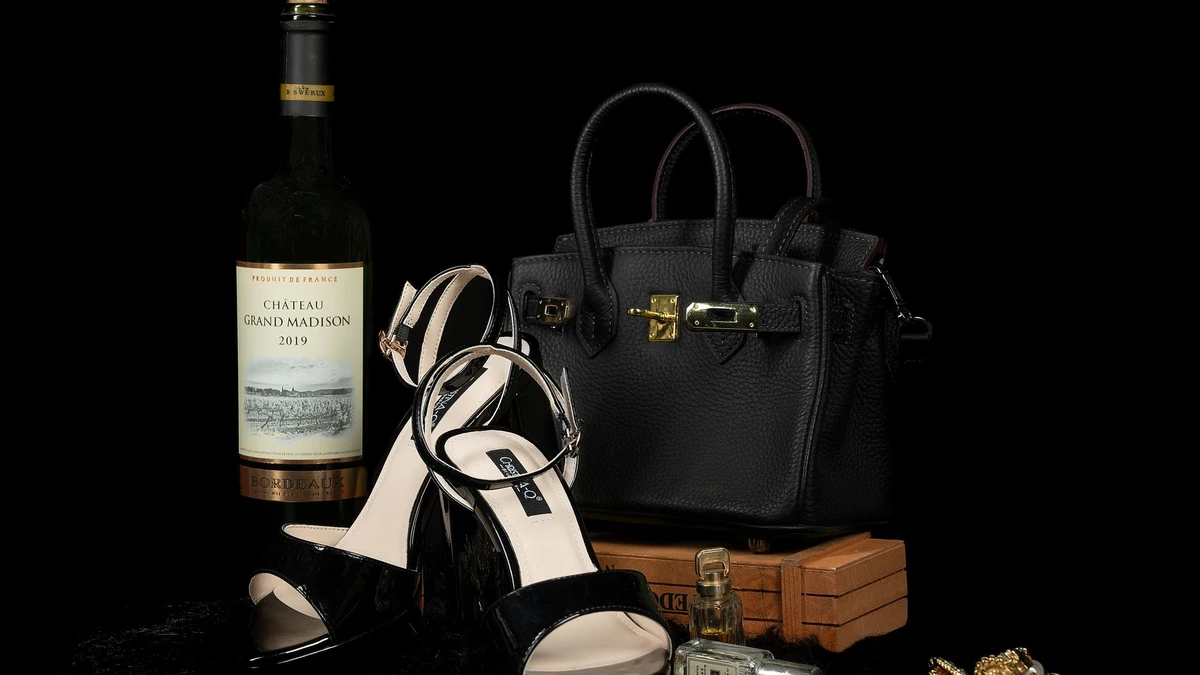
A camel coat, navy trousers, plain leather loafers, and a structured handbag do not sound like the ingredients of an internet sensation. There are no neon colors, giant logos, or obviously unusual shapes. Yet outfits built from similarly restrained pieces have generated endless trend reports, shopping edits, and social media commentary under one label: quiet luxury.
The attention can seem disproportionate to the clothes. People have worn simple, expensive-looking outfits for decades, and wealthy consumers did not suddenly discover cashmere. What changed was the cultural framing. A familiar upper-class dress code became a highly visible aesthetic, then a shopping category, and eventually a debate about taste, money, status, and who gets to look affluent.
Understanding quiet luxury fashion therefore requires looking beyond beige sweaters. It is both a recognizable style and a story people tell about clothing. Those two meanings overlap, but they are not identical.
What does quiet luxury mean in fashion?
Quiet luxury describes clothing and accessories that communicate quality and status without relying on prominent branding or attention-grabbing design. The look typically favors refined materials, controlled silhouettes, muted colors, minimal decoration, and pieces that appear durable rather than tied to a short trend cycle.
A quiet-luxury outfit might include a fine-knit sweater, pressed wool trousers, a long coat, understated jewelry, and a leather bag with no visible logo. The items may be extremely expensive, but their cost is not immediately obvious to everyone. Recognition depends on subtler signals such as fabric, construction, cut, or familiarity with a particular designer.
That discretion is the defining idea. Traditional conspicuous luxury says, in effect, that an item is valuable because its brand or design can be recognized across the room. Quiet luxury uses a narrower visual language. The right observers may recognize an unusual fastening, a signature shape, or the way a fabric drapes, while everyone else simply sees a polished outfit.
The term is also used loosely. Online, it can describe anything from genuinely exclusive clothing to an affordable neutral outfit with clean lines. This flexibility helped the phrase spread, but it also blurred the difference between luxury as a price category and understated dressing as an aesthetic.
What does the look actually involve?
Quiet luxury is often reduced to a palette of cream, camel, gray, navy, brown, and black. Those colors are common because they make outfits look restrained and coordinated, but color alone does not create the effect. A plain beige garment can still look poorly made, while a beautifully cut burgundy coat can fit the aesthetic perfectly.
Several traits tend to matter more than a strictly neutral wardrobe:
- Limited visible branding: Logos are absent, small, or recognizable only through design details.
- Controlled silhouettes: Garments tend to skim, drape, or hold a deliberate shape rather than depend on extreme proportions.
- Material emphasis: Wool, cashmere, silk, linen, suede, and smooth leather commonly appear because texture becomes important when decoration is minimal.
- Restrained styling: Outfits use fewer competing elements, and accessories support the clothing rather than dominate it.
- Precise condition: Clean shoes, smooth knits, intact hardware, and well-kept fabrics reinforce the impression of care.
- Relative continuity: Many pieces resemble established wardrobe staples rather than items associated with one brief season.
None of these features belongs exclusively to expensive fashion. A simple outfit assembled from secondhand, midpriced, or mass-market clothing may produce a similar visual result. Conversely, a costly designer outfit can be loud, highly branded, distressed, theatrical, or intentionally awkward.
That distinction matters because quiet luxury is not a synonym for good quality, and luxury is not a synonym for minimalism. It is one particular way of presenting value.
Is quiet luxury different from minimalism or classic style?
The categories overlap, which is one reason discussions become confusing. Minimalism usually centers on reducing visual clutter or reducing the number of possessions. Classic style emphasizes familiar garments and combinations that remain socially legible over time. Quiet luxury borrows from both, but adds a stronger association with wealth and exclusivity.
| Style idea | Main emphasis | Typical visual cues | Relationship to price |
|---|---|---|---|
| Quiet luxury | Discreet status and refined quality | Fine materials, subtle design codes, minimal logos | Often associated with high prices, even when imitated affordably |
| Minimalism | Visual or material simplicity | Clean lines, limited details, edited color palette | Can exist at any price |
| Classic style | Familiarity and longevity | Trench coats, tailored trousers, loafers, simple knits | Can exist at any price |
| Old-money aesthetic | An imagined inherited-wealth lifestyle | Heritage fabrics, equestrian references, preppy pieces | Often more costume-like and culturally specific |
A person can dress minimally without trying to look wealthy. Someone can wear classic clothing while enjoying bright colors and visible patterns. Quiet luxury becomes a distinct concept when understated design is interpreted as evidence of taste, access, or social confidence.
It also differs from building a capsule wardrobe. A capsule is an organizational approach based on versatility and a limited selection of clothing. Quiet luxury is primarily an image. A large designer wardrobe can express quiet luxury, while a compact capsule can be sporty, colorful, romantic, or anything else.
Why did people suddenly start talking about it?
The clothes were not new, but several cultural forces made the label unusually appealing.
Highly visible examples made discreet wealth easy to discuss
Film, television, celebrity wardrobes, and public appearances gave audiences repeated examples of wealthy characters and famous people wearing expensive yet seemingly simple clothes. Viewers began identifying the coats, knits, bags, and suits that looked ordinary until their prices or designers were revealed.
That contrast created useful social media material: the item appears plain, but insiders know it is costly. The reveal turns subtle clothing into a story about hidden status.
Logo-heavy fashion had reached a saturation point
Trends often gain energy by opposing what came before them. After periods dominated by monograms, statement sneakers, maximalist streetwear, vivid collaborations, and instantly recognizable accessories, restraint felt like a meaningful change.
Quiet luxury offered a visual reset. Its appeal came partly from what it rejected: obvious novelty, crowded styling, and the pressure to display a brand name prominently. Even people who did not buy luxury clothing could respond to the calmer mood.
Economic uncertainty made overt displays feel less comfortable
Public attitudes toward wealth shift with economic conditions. When many people feel financially strained, aggressive displays of spending can appear insensitive or insecure. Understated luxury allows expensive consumption to remain visible to informed observers while appearing restrained to others.
This does not make the spending modest. A logo-free coat can cost far more than a monogrammed bag. The communication has simply changed from broad recognition to selective recognition.
Social media made subtlety into content
There is an obvious tension in promoting quiet luxury through highly public platforms. A style based on discretion became the subject of tutorials, product lists, outfit formulas, and rapid imitation.
Social media rewards categories that people can recognize and reproduce. Once quiet luxury was translated into neutral colors, simple shapes, and a handful of familiar items, it became accessible as an image even when the original products were not accessible as purchases. Retailers then had a convenient phrase for selling ordinary wardrobe staples as part of a current trend.
Why does quiet clothing communicate status at all?
Status dressing depends on shared codes. A large logo works because many people recognize it. Quiet luxury works because fewer people are expected to recognize its details—and that limited recognition becomes part of the appeal.
An unmarked handbag may signal wealth through its leather, construction, hardware, or silhouette. A jacket may seem basic until someone notices the fabric and tailoring. Knowledge functions as a gate: those familiar with the product understand the message, while those outside that circle may not see anything remarkable.
There is another, less tangible signal. Understated clothing can imply that the wearer does not need public confirmation of status. The suggested attitude is one of security: no label has to announce the price, and no dramatic trend has to prove relevance.
Of course, clothing cannot verify a person’s finances, confidence, or background. Anyone can wear a navy sweater. Quiet luxury succeeds as an aesthetic because it trades in associations, not because it reveals objective facts about the wearer.
Why is the trend controversial?
Much of the criticism begins with the name. Pairing the word quiet with luxury can make extreme prices sound tasteful, responsible, or almost frugal. Yet understated consumption is still consumption, and a discreet product is not automatically ethical, durable, or well made.
The trend can also turn wealth into a personal styling achievement. Online advice sometimes suggests that the correct trousers, watch, or color palette will make someone look rich. This framing reduces class to a costume while overlooking the security, education, networks, leisure, and social familiarity that clothing is supposed to represent.
There is also a double standard in how restrained outfits are interpreted. On a person already understood to be wealthy or influential, plain clothing may be praised as elegant. On someone without those status cues, a similar outfit may simply be called basic. The perceived identity of the wearer often shapes the judgment as much as the garments do.
Finally, the commercial version can be wasteful. A trend that celebrates timelessness may still encourage people to replace perfectly useful clothing with this season’s approved shade of brown, bag shape, or trouser cut. Buying a new wardrobe to perform permanence is one of quiet luxury’s central contradictions.
Does it require luxury brands?
Not if the interest is in the appearance rather than the market category. Restrained outfits can be created at many price points, and visible simplicity is relatively easy for retailers to imitate.
What cannot always be reproduced cheaply is the specific material, construction, or finish of an exceptional garment. Fine fabric may hang differently, tailoring may require skilled labor, and durable leather goods can be expensive to produce. At the same time, a high price does not guarantee any of those qualities. Brand positioning, scarcity, retail environment, and prestige all contribute to luxury pricing.
For most people, separating the style from the status story is more useful than chasing an exact imitation. A clean wool coat that fits well may serve the same visual role as a far more expensive version, even if the two are not equivalent products. Secondhand shopping can also make better materials available at lower prices, although condition and alterations need careful consideration.
The practical lesson is not that inexpensive clothing secretly equals luxury. It is that no-logo dressing, tonal color combinations, and simple silhouettes are not proprietary. They can be appreciated without pretending every plain sweater is an investment piece.
Is quiet luxury actually timeless?
Some of its components have lasting usefulness. Straight trousers, fine knits, leather shoes, simple coats, and restrained jewelry repeatedly return because they fit many social settings. Their familiarity helps them survive changes in fashion better than highly specific statement pieces.
Still, the exact look is not outside fashion. Trouser widths shift. Jacket shoulders become sharper or softer. Preferred neutrals move from cool gray to warm brown. Handbag proportions change, and even supposedly timeless shoes can look closely tied to a particular period.
Calling an item timeless can also encourage an unrealistic standard. Clothes wear out, bodies change, lifestyles change, and personal taste develops. Longevity is a reasonable hope; permanent relevance is a marketing promise that clothing rarely fulfills.
A better test is whether a piece suits the wearer’s real routines and combines easily with what is already owned. That question is less glamorous than asking whether an item looks quietly luxurious, but it is far more likely to prevent an unnecessary purchase.
How should you interpret the trend?
Quiet luxury is best understood as three things happening at once:
- A design language: subdued colors, discreet details, refined materials, and controlled silhouettes.
- A status code: wealth communicated through insider recognition rather than mass visibility.
- A retail label: a marketable phrase applied to everything from elite designer goods to ordinary neutral basics.
Keeping those layers separate makes the conversation easier to assess. You can like the clothes without accepting every claim attached to them. You can prefer minimal branding without assuming it signals superior character. You can value craftsmanship while remaining skeptical of inflated prices and vague promises about timelessness.
If the aesthetic appeals to you, start by looking at what you already own rather than searching for a quiet-luxury shopping list. Try a restrained color combination, remove one distracting accessory, care for a good pair of shoes, or wear a simple garment in a more deliberate way. Those choices reveal whether you genuinely enjoy the style or merely enjoy its current cultural meaning.
That is ultimately why people keep talking about quiet luxury: the subject is not only clothing. It raises questions about how status becomes visible, who recognizes it, and why apparent simplicity can carry such complicated messages.