

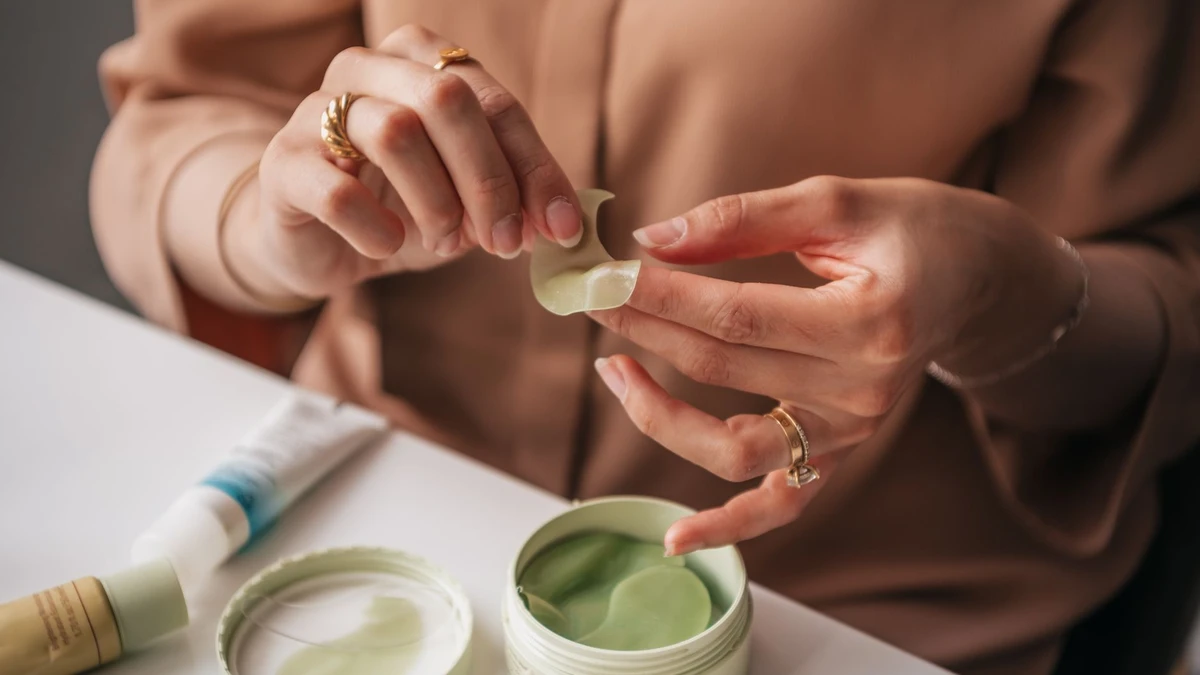
A new cleanser, serum, exfoliant, or cream can look harmless in its packaging and still disagree with your skin. The problem may be a stinging ingredient, a fragrance component, a preservative, or simply a formula that is too strong for your current routine. Applying it everywhere at once makes it difficult to tell what caused the reaction and leaves you with more irritated skin to manage.
Patch testing skincare first is a small step that can provide useful information before you commit to full use. It cannot guarantee that a product will never cause a reaction, but it is a sensible way to reduce unnecessary surprises.
This guide focuses on a practical at-home screening method for leave-on and rinse-off products. It does not replace formal allergy testing, medical advice, or treatment for an established skin condition. If you have a history of serious cosmetic reactions or a diagnosed allergy, follow your clinician's instructions instead of relying on a home patch test.
Before You Start: Know What a Patch Test Can and Cannot Tell You
A patch test involves applying a small amount of a product to a limited area and watching for changes before using it more broadly. The test may reveal obvious redness, itching, swelling, burning, bumps, or a rash. It may also show that a product feels uncomfortable even when the skin does not develop a dramatic reaction.
Still, the result has limits. Skin on the arm or behind the ear is not identical to facial skin. The face may be more reactive, especially around the eyes, nose, lips, and areas already affected by dryness or acne treatments. A product that passes a small-area test can still cause irritation when used over a larger surface or combined with other active products.
A patch test is also not the same as professional testing for contact allergies. It is best viewed as a cautious first screen, not a guarantee of safety.
Step 1: Read the Product Instructions First
Start with the label. Some products include specific directions about where to test, how long to leave the formula on, or how often to use it. Follow those instructions when they differ from a general routine.
Pay extra attention to products that contain ingredients known to be more irritating for some people, such as exfoliating acids, retinoids, benzoyl peroxide, strong fragrance, or essential oils. That does not mean these ingredients are automatically unsuitable. It means you should be more conservative about the amount, timing, and other products used around the test.
Check the product's condition before applying it. Do not patch test a product that has changed color, smell, or texture, or one that has been stored in a way the packaging does not recommend. A reaction to a degraded or contaminated product would not tell you much about the formula as intended.
If the product is a treatment with unusually strong directions or a professional-use warning, do not improvise with it at home. Ask a pharmacist, dermatologist, or other qualified healthcare professional how it should be used.
Step 2: Choose a Quiet Test Area
For many skincare products, the inner forearm is a practical testing location because it is easy to see and usually less exposed to facial products. The area behind the ear is another commonly used option, but it can be harder to monitor if your hair covers it or if the skin there is already sensitive.
Choose skin that is:
- Clean and dry
- Free from cuts, sunburn, eczema flares, rashes, and active irritation
- Not freshly shaved or scrubbed
- Easy for you to check during the next day or two
Avoid testing directly beside the eye, on the eyelid, around the lips, inside the nose, or on broken skin. These areas are delicate and can react strongly. Do not put a product in your eye or use a facial product on the eye area unless the product is specifically made and labeled for that purpose.
You do not need to test a large patch. A small area, roughly the size of a coin, is usually enough to observe whether the formula causes a visible or uncomfortable response. Use enough to reproduce the intended application without spreading the product far beyond the chosen spot.
Step 3: Test the Product as You Plan to Use It
Apply the product according to its directions. A leave-on serum should generally remain on the test area if that is how you intend to use it. A cleanser should be applied for the normal cleansing period and then rinsed away. Do not leave a rinse-off product on your skin overnight just to make the test seem more thorough.
Use clean hands or a clean applicator. Avoid mixing the new product with moisturizer, oil, or another active unless that is part of the product's normal instructions. Combining formulas during the test can dilute the product or create a separate source of irritation.
For a product that comes in several shades or versions, test the exact formula and shade you plan to use. Different versions may contain different ingredients. The same applies to gift sets: do not assume that one item passing a test means every item in the set will suit you.
After application, make a note of the time and what you observed immediately. A brief, mild sensation can happen with some formulas, but strong burning, intense itching, or rapidly increasing discomfort is a reason to remove the product rather than wait and see.
Step 4: Watch the Area Over the Next 24 to 48 Hours
Check the test area at several points after application, including later the same day and the following day. Look for changes such as:
- Persistent redness
- Itching or a prickling sensation
- Burning or increasing warmth
- Swelling
- Small bumps, blisters, or hives
- Dryness, scaling, or a rough patch
- Tenderness that was not present before testing
The exact timing of a reaction can vary. Some irritation appears quickly, while other reactions take longer to become noticeable. That is why checking once immediately after application is not always enough.
Keep the area free from other new products while you monitor it. If you apply several unfamiliar formulas to the same spot, you will not know which one caused a response. It is also helpful to avoid covering the test area tightly unless the product directions require it, since heat and friction can make skin feel more irritated.
If the area remains comfortable and looks unchanged after the observation period, you can consider moving to limited use. Do not take a normal-looking patch as permission to apply a strong active every day from the start.
Step 5: Introduce the Product Gradually
A successful patch test is only the first checkpoint. Start with a small amount and a limited application area. For a facial product, you might begin by using it on one part of the face or by applying it less often than the maximum frequency listed in the directions, particularly if it contains an exfoliant or retinoid.
Introduce only one new skincare product at a time when possible. This is slower, but it makes troubleshooting much easier. If you add a cleanser, serum, exfoliant, and moisturizer in the same week, a reaction can leave you guessing. You may end up stopping products that were perfectly well tolerated simply because you cannot identify the cause.
Keep the rest of your routine familiar during the introduction period. Avoid adding several other active ingredients at once, especially if the new product already has a reputation for causing dryness or sensitivity in some users. The purpose is not to make the routine boring forever; it is to make the first few uses easier to interpret.
For example, someone trying a new exfoliating serum might patch test it on the inner forearm, then use a small amount on part of the face on a night when no other exfoliant is applied. If the skin stays comfortable, they can follow the label directions carefully rather than immediately layering it with a retinoid and a strong cleanser.
What to Do If the Patch Test Causes Irritation
If you notice mild redness, itching, burning, or a new rash, stop using the product on the test area. Rinse it off if it is a leave-on product and the sensation is continuing. Use a gentle, familiar routine while the skin settles, and avoid scrubbing, exfoliating, or applying additional potentially irritating products to that area.
Do not keep reapplying the product to confirm that it caused the problem. Repeated exposure can make irritation worse and does not provide a more reliable answer.
If the reaction is severe, widespread, painful, rapidly worsening, or associated with significant swelling, seek medical care. Get urgent help for trouble breathing, swelling of the lips or tongue, faintness, or other signs of a serious allergic reaction. These symptoms are not appropriate for home observation.
A reaction does not necessarily tell you which individual ingredient is responsible. Many formulas contain numerous ingredients, and similar ingredients may appear in different products. If reactions keep happening, take note of the product names and ingredient lists and discuss the pattern with a healthcare professional.
Common Patch-Testing Mistakes to Avoid
Testing on already irritated skin
A damaged skin barrier can react to products that would otherwise be comfortable. Testing over a rash, freshly exfoliated area, or sunburn makes the result harder to interpret and may increase discomfort.
Applying too much
A patch test does not need a thick layer. Using an excessive amount may create unnecessary irritation and does not imitate normal use.
Checking only after a few minutes
Some reactions appear later, so an immediate glance is not enough. Give the test area a reasonable observation period and check it more than once.
Testing several products together
If you test a new toner, serum, and cream in the same area, a reaction cannot be assigned confidently to any one product. Test them separately.
Assuming natural means non-irritating
Plant extracts and essential oils can still bother sensitive skin. The source of an ingredient does not determine how every person's skin will respond.
Treating tingling as proof that a product is working
Tingling, stinging, or burning is not automatically a sign of effectiveness. Some products may create a mild sensation, but persistent or uncomfortable stinging should be treated as a warning rather than a performance claim.
When a Home Patch Test Is Not Enough
Extra caution makes sense if you have a history of allergic contact dermatitis, severe eczema, recurring facial rashes, or reactions that spread beyond the application area. People with these concerns may need professional patch testing to identify specific allergens. A home test cannot reliably diagnose them.
You should also be careful with products used near the eyes, on the lips, on mucous membranes, or over large areas of the body. Follow the product's safety directions and seek professional guidance when the label is unclear.
Patch testing does not replace sunscreen directions, proper storage, expiration guidance, or safe use of prescription treatments. Those are separate parts of product safety. This article also does not cover diagnosing acne, rosacea, eczema, or other skin conditions; a new reaction may sometimes be confused with an existing condition becoming active.
A Simple Patch-Testing Checklist
Before using a new product fully, confirm that you have:
- Read the label and any product-specific warnings.
- Chosen a small area of healthy, undamaged skin.
- Applied the product in the same general way it is meant to be used.
- Avoided testing several new products at the same time.
- Checked the area more than once over the next 24 to 48 hours.
- Stopped and rinsed the product if significant discomfort developed.
- Introduced the product gradually even after a normal patch-test result.
The most useful habit is simple: test one change at a time, observe patiently, and treat discomfort as information rather than something to push through. That approach will not predict every possible reaction, but it can make new-product decisions more careful, easier to understand, and less disruptive to your routine.