

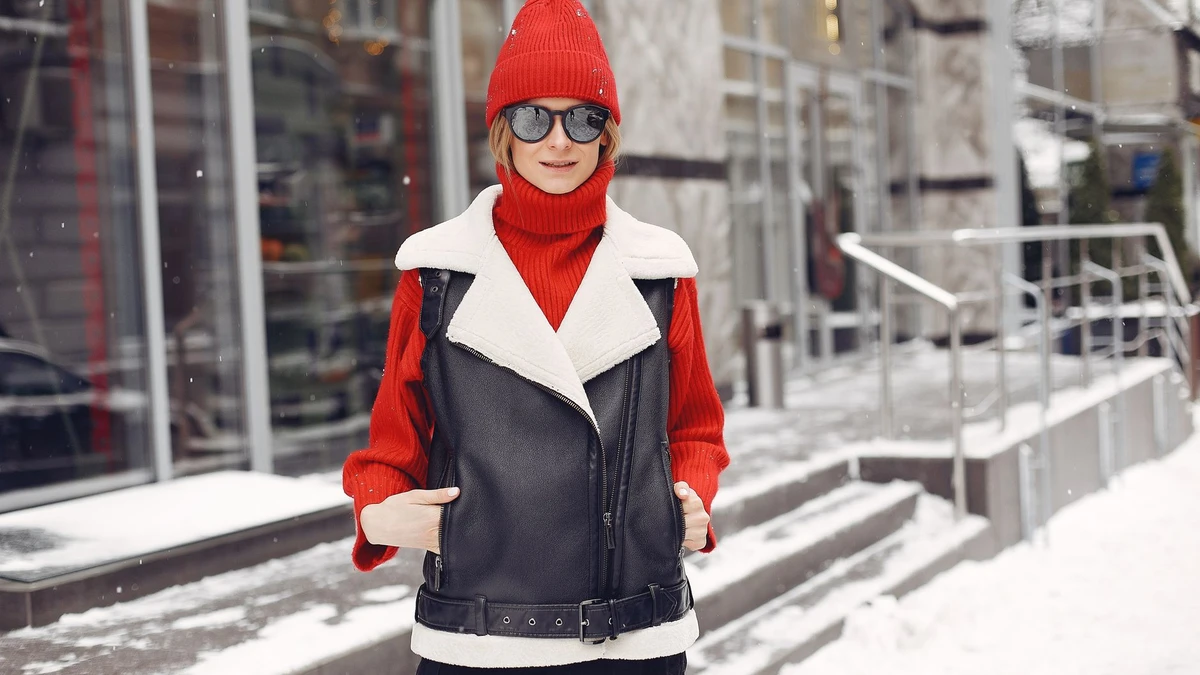
A cool morning, a warm afternoon, and a chilly evening can make getting dressed feel harder than it should. The obvious solution is to add more clothes, but piling on thick sweaters and oversized jackets often creates the exact problems you are trying to avoid: restricted movement, awkward proportions, and a bag that fills up with discarded layers by lunchtime.
The more useful approach is to build an outfit that can adjust gradually. For layering clothes in mild weather, each piece should add a specific function without duplicating the weight or shape of another piece. A breathable base handles comfort, a thin middle layer adds warmth, and an outer layer protects against wind or a brief temperature drop.
This guide focuses on everyday outfits for transitional conditions rather than extreme cold, technical outdoor clothing, or packing for a full trip. The aim is simple: create flexible combinations that look intentional when worn together and still work when one layer comes off.
Start with a three-part outfit system
A reliable mild-weather outfit usually has three jobs to cover:
- The base layer manages comfort.
- The middle layer provides adjustable warmth.
- The outer layer handles wind, light rain, or a cooler setting.
You do not always need all three. On a warm day, a base layer and light jacket may be enough. On a cooler morning, a base, thin knit, and relaxed coat can work better. Thinking in terms of jobs helps prevent random additions that make an outfit thick without making it more useful.
For example, a cotton T-shirt, fine-gauge cardigan, and unlined jacket can be more adaptable than a heavy sweater under a padded coat. The first combination allows each layer to be removed separately. The second may feel too warm as soon as the temperature rises, while the thick sweater can be uncomfortable under the coat.
Choose one warm layer, not several competing ones
Bulk usually appears when every layer is selected for warmth. A thermal shirt under a chunky sweater under a lined jacket may make sense in freezing conditions, but it is often excessive for mild weather. Choose one main insulating layer, then keep the other pieces thin and breathable.
A fine merino sweater, lightweight fleece, thin cardigan, or soft overshirt can provide warmth without taking up much space. The right choice depends on your comfort level and the rest of the outfit, but the principle remains the same: let one layer do most of the warming.
Keep the base layer smooth and breathable
The base layer sits closest to your skin, so it affects how every other piece feels. It should be comfortable on its own and easy to wear under a second layer. Smooth T-shirts, sleeveless tops, fine long-sleeve shirts, lightweight polos, and thin button-downs are useful starting points.
Avoid starting with a bulky base unless the weather genuinely calls for it. A thick sweatshirt underneath another substantial piece leaves little room for movement. It can also create visible bunching at the cuffs, neckline, and waist.
Fabric matters, but there is no single perfect choice for everyone. Cotton can feel comfortable and familiar, while lightweight wool can offer warmth without much thickness. Blends may dry faster or resist wrinkling better. The practical test is whether the base layer remains comfortable after the outer layer is added. If you immediately feel trapped around the shoulders or arms, it is too substantial for that combination.
A few useful base-layer details:
- Choose a neckline that works with the layers above it.
- Look for sleeves that stay flat rather than twisting under a sweater.
- Use a slightly longer base when you want visible contrast at the hem.
- Avoid very loose fabric under fitted sleeves, since it tends to bunch.
- Pick a color that can stand alone if the upper layer comes off.
A base layer should look like part of the outfit, not like an emergency item you hoped nobody would see.
Use thin middle layers with structure
The middle layer is where many outfits become bulky. A thick knit may feel cozy on its own, but it can be difficult to wear under a jacket or coat. In mild weather, thinner layers usually offer more flexibility and a cleaner silhouette.
Good options include fine-knit sweaters, lightweight cardigans, denim shirts, cotton overshirts, knit vests, and unlined chore jackets. These pieces add visual interest as well as warmth, which means they earn their place in the outfit even when the temperature changes.
Structure helps. A soft cardigan can work well with relaxed trousers, while a crisp overshirt may give shape to a simple T-shirt and jeans. If every layer is loose, the outfit can look shapeless. If every layer is fitted, movement becomes uncomfortable. A useful balance is to pair one relaxed piece with one cleaner, more defined piece.
Pay attention to armhole and shoulder space
Layering problems often come from the upper body rather than the torso. A jacket may fit across the chest but feel tight when worn over a sweater because the sleeves and armholes leave no room for movement.
When buying or choosing an outer layer, consider what you will actually wear beneath it. A jacket intended for a T-shirt does not automatically work over a knit. You do not need to size up every outer layer, but you do need enough room across the shoulders and upper arms for the planned combination.
For a neat result, keep the inner layer thinner where the outer garment is narrow. If you want to wear a sweater under a jacket, choose a fine knit rather than a chunky one. If the sweater is substantial, wear it over a simple base and let it serve as the main visible layer.
Select an outer layer that can stand alone
The final layer should be useful when worn open, closed, or carried. This is especially important when you are dressing for changing weather. A jacket that only looks good when fully zipped may not be practical once the afternoon warms up.
Lightweight trench coats, denim jackets, field jackets, unlined blazers, chore coats, packable rain shells, and relaxed overshirts can all work well, depending on the setting. The best option is not necessarily the thinnest one. It should provide enough coverage for wind or light weather without making the whole outfit feel heavy.
Look for details that improve flexibility:
- A two-way zip or buttons that allow the front to stay partly open.
- Sleeves that can be pushed or rolled without losing their shape.
- A hem that covers the waistband without swallowing the outfit.
- Pockets for small essentials when you do not want to carry a larger bag.
- A fabric that does not crease badly when the layer is removed.
An outer layer with some visual weight can also make a lightweight outfit look finished. A simple shirt and trousers may feel incomplete on a cool day, while the addition of a structured jacket creates a clear top layer without needing a thick sweater underneath.
Control proportions before adding more clothes
When an outfit looks bulky, the issue may not be the number of layers. It may be the relationship between their lengths and widths. Several loose pieces ending at similar points can create a wide, stacked shape. Several long pieces can obscure the waist and make the outfit feel heavy.
Try varying the proportions. A shorter jacket over a longer shirt can create a visible line without adding volume. A longer coat can balance a slim base and straight-leg trousers. A fitted base under a relaxed overshirt usually looks more deliberate than an oversized shirt over an equally oversized sweater.
The exact proportions depend on personal style, but a few combinations are easy to test:
- Slim base, relaxed middle layer, straight outer layer: casual and balanced.
- Fitted top, wide-leg trousers, shorter jacket: adds shape around the waist.
- Long shirt, cropped jacket, narrow trousers: creates clear vertical layers.
- Simple top, fine sweater, longer coat: works when the coat provides the main visual line.
Do not assume every layer must be visible from top to bottom. A small amount of contrast at the collar, cuff, or hem can be enough to show that the outfit is layered.
Build outfits around temperature changes, not just the morning forecast
The weather at the time you leave home is only one part of the decision. Think about the warmest part of the day, the amount of time you will spend indoors, and whether you will be walking, commuting, or sitting still.
Someone walking several blocks may warm up quickly in an outfit that feels comfortable at the bus stop. Someone working in a cool office may need an extra light layer even when the outdoor temperature is pleasant. A person moving between indoor and outdoor spaces benefits from pieces that are easy to remove and carry.
A practical outfit plan might look like this:
- Cool morning, mild afternoon: T-shirt, fine cardigan, lightweight jacket.
- Mild morning, warm afternoon: sleeveless or short-sleeve base, overshirt worn open, jacket carried only if needed.
- Windy but not cold: long-sleeve shirt, thin knit vest, wind-resistant outer layer.
- Light rain with moderate temperatures: breathable base, light sweater, water-resistant shell.
- Mostly indoors with a chilly commute: simple base, cardigan or blazer, compact outer layer for travel.
These are starting points rather than strict formulas. The important habit is to decide which layer you expect to remove first. That layer should be comfortable enough to wear on its own and easy to carry without becoming a nuisance.
Use color and texture to make thin layers look intentional
Layering can look polished even when the individual pieces are simple. Color relationships help the outfit feel planned, while texture adds depth without requiring additional thickness.
A tonal combination, such as cream, tan, and camel, can make different layers blend smoothly. A contrasting base, such as a blue shirt under a gray sweater, makes the layers more visible. If the outfit already includes several colors, keep the shapes simple so the result does not feel busy.
Texture is useful when the fabrics are lightweight. A smooth shirt under a fine ribbed knit and a matte jacket creates variation without a heavy silhouette. Mixing every available texture can have the opposite effect, especially when thick denim, chunky knitwear, corduroy, and quilted fabric appear together.
A practical rule is to give one layer the leading role. That might be a striped shirt, a textured cardigan, or a jacket in a distinctive color. Let the remaining pieces support it rather than compete with it.
Common layering mistakes and quick corrections
Mistake: Wearing a thick sweater under a narrow jacket
This limits movement and often creates bunching at the sleeves. Replace the sweater with a fine knit, or wear the thick sweater as the outermost warm layer over a thin base.
Mistake: Making every layer oversized
Relaxed clothing can be comfortable, but several oversized pieces may hide the shape of the outfit. Keep one area cleaner, such as a fitted base, straight trousers, or a shorter jacket.
Mistake: Choosing layers that only work together
If the base shirt looks unfinished when the jacket comes off, the outfit is less adaptable. Treat every visible layer as a complete piece, even if it is simple.
Mistake: Ignoring sleeve length
Cuffs that bunch under a jacket are uncomfortable and visibly untidy. Shorter or closer-fitting sleeves usually layer more smoothly than wide sleeves under a narrow outer garment.
Mistake: Carrying an unnecessary third layer
More options are not always more useful. If the temperature range is modest, two well-chosen layers may be enough. Carry an extra piece only when you have a clear reason for it, such as a cold commute or a poorly heated workplace.
Mistake: Treating warmth and bulk as the same thing
Warmth can come from fabric choice, coverage, and protection from wind, not only from thickness. A thin sweater beneath a wind-resistant jacket may feel more comfortable than a heavy knit exposed to a breeze.
A quick dressing test before you leave
Put on the full outfit and spend a minute checking it in motion. Sit down, reach forward, raise your arms, and walk around. If the shoulders pull, the sleeves twist, or the waistband feels compressed, change the combination before you leave.
Then remove the outer layer. Does the remaining outfit still look deliberate? Finally, remove the middle layer. The base does not need to be formal, but it should be presentable enough for a warmer indoor space or an unexpected change in temperature.
This test catches most layering problems faster than looking in a mirror. Clothing that appears fine while standing still may feel restrictive after a commute, and an outfit that looks balanced with a coat may lose all structure once the coat comes off.
A simple formula to use this week
Start with a base layer you would happily wear alone. Add one thin piece for warmth, then choose an outer layer that protects against the least pleasant part of the forecast. Keep only one layer noticeably relaxed or substantial, and make sure the others remain smooth underneath it.
Before leaving, ask three questions:
- Which layer will I remove first?
- Can I move comfortably with everything on?
- Does the outfit still work when that layer comes off?
If the answers are clear, you probably have enough clothing. For mild, changeable weather, a thoughtful combination of lightweight pieces is usually more practical than a larger stack. The right layers should give you options throughout the day without making you feel as if you are wearing the entire closet at once.