

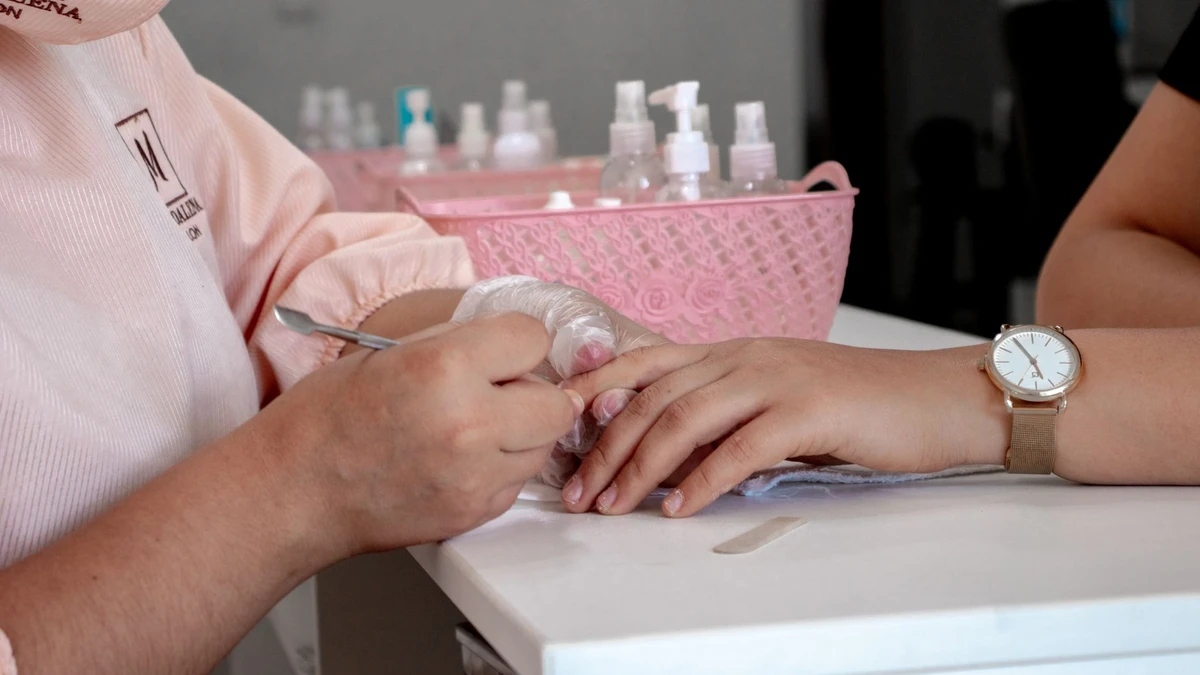
The Core Idea
When you want a clean, classic manicure, the most important thing to ask for is not a complicated design or a long list of technical details. It is a clear, balanced service that leaves your natural nails looking neat, healthy, and polished. The goal is refinement rather than transformation: tidy cuticles, even shaping, smooth nail surfaces, and a simple finish that suits your hands and everyday style.
The challenge is that “classic manicure” can mean slightly different things from one salon to another. One technician may assume you want a traditional soak, cuticle care, trimming, shaping, massage, and regular polish. Another may focus mainly on shaping and painting. Some salons may automatically suggest gel polish, extensions, or a stronger treatment unless you explain that you want a natural-looking result. Being specific helps prevent the service from drifting away from what you actually had in mind.
A useful classic manicure request should communicate three basic preferences: the shape you want, the level of cuticle care you are comfortable with, and the type of polish you want applied. You can also mention the finish, such as sheer pink, soft nude, creamy beige, or a short, natural look. These details give your technician a practical starting point without making the appointment feel overcomplicated.
This matters because a manicure can look noticeably different depending on small choices. A nail filed too narrow may make your fingers appear longer than you prefer. Cuticles trimmed too aggressively can leave the surrounding skin sore or irritated. A highly opaque or dramatic color may not match your idea of understated. Even the difference between regular polish and gel affects removal, durability, and the overall feel of the service.
The promised outcome is simple: you should leave with nails that look intentional, clean, and wearable, not surprised by a shape, color, or add-on you did not request. You do not need to know salon terminology or identify every tool being used. You only need to describe the result you want in plain language.
Think of the appointment as a brief design conversation. Explain that you want your natural nails cleaned up, shaped evenly, and finished with a classic polish. If you have a preference for short length, rounded edges, or a sheer color, say so before the service begins. A few clear expectations can make the difference between an acceptable manicure and one that feels exactly right.
What to Look For
When comparing salon services, look for details that describe the result rather than relying on the word “classic” alone. A good service menu should make it clear whether the appointment includes natural-nail shaping, cuticle care, hand massage, and regular polish. If the description only says “manicure” without explaining what is included, ask for clarification before booking.
Start with the nail preparation. For a clean, traditional finish, the technician should assess your natural nail length and shape before filing. Look for even edges, matching lengths, and a shape that suits your fingers—such as softly rounded, squoval, or gently square. If one nail is noticeably shorter or the corners look jagged, the final polish will not appear polished, even if the color application is good.
Cuticle care is another important signal. The service should include softening and gently pushing back the cuticles, with careful trimming only when necessary. Healthy cuticles should not look raw, swollen, or sharply cut afterward. During your classic manicure request, you can say, “Please keep the cuticles tidy but natural,” especially if you prefer a low-maintenance appearance or have experienced over-trimming in the past.
Pay attention to the nail surface as well. A technician may lightly smooth minor ridges, but aggressive buffing can thin the nails and make them more fragile. Ask whether a base coat will be used before color. A base coat helps create a smoother finish and can reduce staining, particularly with darker shades. The polish itself should be applied in thin, even layers, with clean edges around the cuticle and minimal product on the surrounding skin.
The finish should match your everyday needs. Regular polish is usually the most traditional choice and is easy to remove at home, but it may chip sooner than gel. If you need longer wear, ask whether a gel option changes the service or price rather than assuming it is included. You can also request a sheer pink, beige, soft white, or clear topcoat if you want your nails to look neat without drawing attention.
Finally, observe the salon’s hygiene practices. Tools should be cleaned and disinfected between clients, single-use items should be discarded appropriately, and the work area should appear orderly. These practical signals matter as much as the polish color because a successful appointment should leave your hands looking refined, comfortable, and well cared for.
A Practical Approach
A simple plan makes it easier to communicate what you want without sounding as though you are directing every movement at the salon. Before the appointment, decide how much length you want to keep, which shape feels comfortable, and whether you want regular polish or no color at all. Save a reference photo if you have one, but choose an image that shows a realistic, natural-looking result rather than a heavily edited close-up.
When booking, read the service description carefully. Choose an option that includes natural-nail shaping, cuticle care, and polish application if those are part of your goal. If the menu is vague, call or message the salon and ask what the appointment covers. This is especially useful when salons use different names for similar services. You can say that you want a classic manicure request: neat, natural-looking nails, tidy cuticles, and a traditional polish finish. Confirm whether removal of old polish is included and whether there is an extra charge for it.
At the beginning of the appointment, explain your priorities in order. Start with length and shape, then mention cuticle care, polish color, and finish. For example, you might ask to keep the nails short, file them into a soft squoval shape, clean up the cuticles without cutting aggressively, and apply one or two thin coats of sheer pink polish. Giving the technician this sequence helps them understand which details matter most if time is limited.
During shaping, check the length before polish is applied. It is much easier to request a small adjustment while the nails are bare than after the color has dried. Look at both hands together and notice whether the nails appear balanced. You do not need every nail to be identical, particularly if your natural nail beds differ, but the overall outline should look intentional.
Once the cuticle work is complete, ask for a gentle hand massage or moisturizing step if it is included. Before color application, make sure excess oil or lotion is removed from the nail plate so the polish can adhere properly. Choose a shade that suits the result you want: sheer neutrals emphasize a barely-there finish, while classic reds or pinks create a more noticeable traditional manicure.
Finally, allow enough drying time before leaving. Ask whether the polish is fully dry or only surface-dry, and avoid putting on tight gloves or reaching into a bag immediately afterward. A few careful minutes at the end can prevent dents and preserve the clean finish you asked for.
Common Mistakes to Avoid
Even a straightforward appointment can go off course when small details are overlooked. Avoiding these common mistakes will help you leave with a neat, polished result that still looks natural.
Asking for “short” without explaining what that means
Short is subjective. To one person, it means nails trimmed close to the fingertip; to another, it means keeping a small amount of free edge. If you use the word alone, the technician may choose a length that feels unfamiliar or impractical.
Instead, describe the result in relation to your daily life. You might say, “I want the nails just past the fingertip,” or, “Please keep them short enough for typing and putting in contact lenses.” If your nails are currently uneven, point out the longest one and ask whether the others can be balanced to match it. This gives the technician a clear starting point without relying on an ambiguous label.
Choosing a shape that does not suit your natural nails
A dramatic shape can look appealing in a photo but may not translate well to short or uneven natural nails. Trying to create a sharp almond or pronounced square on limited length can make the nails look distorted, thin, or wider than you intended.
Ask the technician which shape will work with your existing nail beds. A soft square, rounded square, or gentle oval is often easier to maintain, but the best choice depends on your proportions and lifestyle. Check the shape from above and from the side before polish is applied. The edges should look even, and no corner should feel sharp enough to catch on clothing.
Treating cuticle cutting as a requirement
More cutting does not automatically mean better cuticle care. Removing healthy skin can leave the area sore, irritated, or vulnerable to small tears. It can also create rough regrowth that makes the manicure look untidy sooner.
If you are unsure, ask the technician to soften and gently push back the cuticles first, then remove only loose, nonliving tissue. Speak up if the area feels painful or if you notice pulling. A clean result should not require discomfort.
Ignoring the polish formula
Regular polish, gel polish, and sheer treatments do not wear or remove in the same way. Choosing a longer-wearing formula without considering removal can lead to peeling, scraping, or unnecessary damage later.
As part of your classic manicure request, confirm the product being used and ask how it should be removed. If you want a low-commitment finish, a sheer regular polish or clear coat may be more suitable than gel. Before leaving, check the tips and sidewalls for flooding, smudges, or polish touching the surrounding skin. Catching those issues while you are still at the salon is much easier than correcting them at home.