

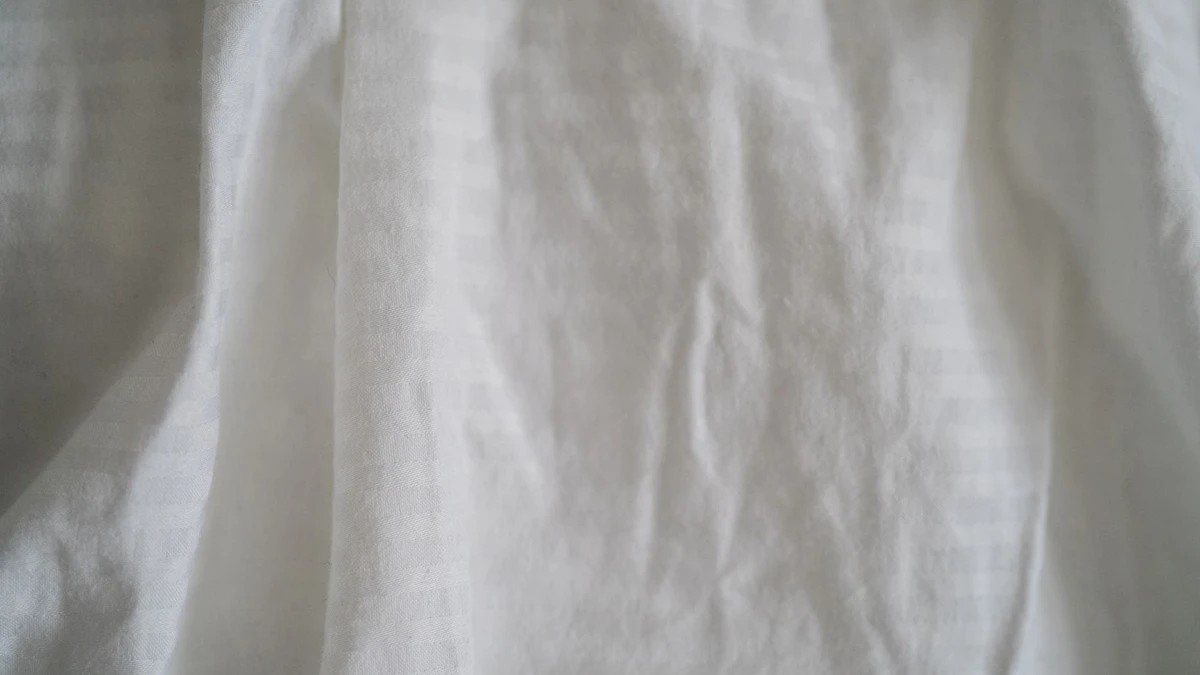
Hot-weather comfort depends on more than choosing a shirt labeled “summer.” A lightweight polyester blouse can feel hotter than a heavier cotton one, while a loose rayon dress may feel pleasantly cool until humidity makes it cling. The fiber matters, but so do the fabric’s weave, weight, finish, color, fit, and ability to manage moisture.
For most warm-weather wardrobes, the best fabrics for hot weather are breathable, relatively lightweight, and comfortable against damp skin. Linen, lightweight cotton, hemp, seersucker, and some rayon or lyocell fabrics often perform well. Polyester, nylon, acrylic, and tightly woven or heavily finished fabrics are more likely to trap heat, although construction and garment design can change the result.
This guide focuses on everyday clothing choices for hot, sunny, or humid conditions. It does not cover technical sportswear in depth, since performance fabrics are designed around different priorities such as rapid drying, stretch, and abrasion resistance.
What makes a fabric feel cool?
A fabric feels comfortable in heat when it helps your body release warmth and deals reasonably well with sweat. Three properties matter most.
Breathability describes how easily air moves through the material. An open weave can allow heat and moisture to escape, while a dense fabric can hold warm air close to the skin.
Moisture behavior affects how a garment feels once you begin sweating. Some fibers absorb moisture into the fabric, others move it across the surface, and some barely absorb it at all. None of these qualities is automatically perfect. Absorbent fabric may feel comfortable at first but stay damp longer; quick-drying fabric may dry fast but feel clammy if it does not allow enough airflow.
Weight and construction are just as important as fiber content. A thin, loose cotton shirt may feel cooler than a thick cotton sweatshirt. A linen fabric with a tight, heavy weave will not perform like airy linen gauze. Seams, lining, pleats, and extra layers also influence how much heat stays next to your body.
A useful rule is to judge the whole garment rather than relying on a single material name on the label.
The best fabrics for hot weather
Linen: airy, breathable, and naturally relaxed
Linen is one of the strongest choices for hot weather because its fibers and common weaves allow good airflow. It absorbs moisture and tends to feel dry and crisp rather than clingy when worn loosely. Linen shirts, drawstring pants, wide-leg trousers, skirts, and dresses are reliable warm-weather staples.
Its main drawback is wrinkling. That is not a sign of poor quality; it is part of linen’s appearance and behavior. Still, some people dislike the rumpled look or find that linen softens without becoming especially smooth. Linen can also feel slightly rough when new, though it usually becomes more comfortable with wear and washing.
For the coolest result, look for lightweight or medium-light linen with a relaxed cut. A linen jacket with a full lining may look seasonal but can defeat the purpose in intense heat.
Lightweight cotton: familiar and versatile
Cotton is a practical hot-weather choice because it is comfortable, widely available, and offered in many weights and weaves. Voile, lawn, gauze, seersucker, poplin, and lightweight jersey can all work well, although they will not feel identical.
Cotton absorbs sweat, which can make it pleasant in dry heat. The limitation is that saturated cotton dries slowly. A damp cotton T-shirt may become heavy, cling to the body, and feel uncomfortable after a long walk or a humid commute.
Choose loose cotton weaves for airflow. Seersucker is especially useful because its puckered surface keeps parts of the fabric slightly away from the skin. Cotton gauze and lightweight voile can feel airy, but they may be sheer enough to require a lining or carefully chosen underlayer.
Hemp: breathable with a textured hand
Hemp fabric is often woven into breathable materials with a texture similar to linen. It can be a good choice for shirts, casual trousers, overshirts, and relaxed dresses. Hemp blends are common because they soften the feel and make the fabric easier to wear.
The trade-off is texture. Some hemp garments feel coarse at first, and heavier versions may be better suited to transitional weather than peak summer. As with linen, check the fabric weight and garment construction rather than assuming every hemp item will be cool.
Rayon, viscose, and lyocell: fluid and often comfortable
Rayon is a broad category that includes viscose and related regenerated-cellulose fibers. These fabrics are often lightweight, smooth, and fluid. They can drape away from the body and feel cool when first put on, making them popular for summer dresses, wide-leg pants, skirts, and blouses.
Lyocell, sometimes sold under brand names such as Tencel, is another regenerated-cellulose option. It often has a smooth surface and good moisture absorption. These fabrics can be excellent in dry or moderately warm conditions, but their performance varies by weave and finish.
The biggest caution is that lightweight rayon can become clingy when damp. It may also require gentler care than cotton or linen. A loose rayon garment with enough room for air movement is usually more comfortable than a close-fitting version.
Seersucker and other puckered fabrics
Seersucker is valued less for its fiber than for its construction. The puckered surface keeps portions of the fabric off the skin, creating small air spaces that can make a shirt or suit feel less sticky. Cotton seersucker is common, but similar textures can be made from blends.
This is a good example of why a fabric label alone does not tell the whole story. A textured, loose-weave garment may outperform a smooth garment made from a theoretically breathable fiber.
Lightweight wool: useful in specific situations
Wool is not the first material most people associate with summer, but fine, lightweight wool can be comfortable in warm conditions. Tropical wool and lightweight merino are used in some trousers, suits, knit tops, and travel clothing because they can regulate moisture and resist odor better than some alternatives.
That does not make every wool garment cool. Thick wool, dense wool suiting, and heavily lined pieces are poor choices for hot weather. Lightweight construction and a breathable weave are essential. Wool can make sense when you need a polished outfit, but it is usually a more specialized choice than linen or cotton.
Fabrics that commonly trap heat
Polyester: durable but highly dependent on design
Polyester is not automatically hot, but many polyester garments feel warm because they use dense weaves, smooth finishes, or close-fitting designs. Standard polyester absorbs little moisture, so sweat may remain on the skin or spread across the fabric without evaporating comfortably.
Some polyester performance fabrics are engineered with mesh panels, moisture-moving structures, or quick-drying finishes. Those can be useful for exercise, but a thick polyester blouse or lined dress may feel noticeably warmer. Treat “polyester” as a signal to inspect the garment more closely, not as an absolute verdict.
Nylon: often smooth, dense, and less airy
Nylon is strong, light, and useful in swimwear, activewear, outerwear, and travel clothing. However, tightly woven nylon can limit airflow. It also tends to have low moisture absorption, so it may feel slick or clammy in hot conditions.
A loose nylon shell over a breathable base layer can work well for wind or light rain, but nylon is rarely the first choice for a shirt worn directly against the skin on a very hot day. Mesh construction changes the equation, which is why nylon sports garments vary so widely in comfort.
Acrylic: warm for a reason
Acrylic is commonly used in sweaters and knit accessories because it can imitate the appearance and softness of wool. In hot weather, that insulating quality becomes a disadvantage. Acrylic knits can hold warmth close to the body and may not manage sweat comfortably.
A very fine acrylic blend may feel acceptable on a cool evening, but it is generally not among the best fabrics for hot weather. If a summer knit contains a large proportion of acrylic, check whether it is open-knit and lightweight before buying.
Heavy denim, fleece, and thick jersey
The fiber is not the only problem with these materials; weight and density are the main issues. Heavy denim can feel restrictive and slow to dry. Fleece is designed to retain warmth. Thick jersey can become hot when worn close to the body, even if it is made from cotton.
Lighter denim, open-knit cotton, and thin jersey are different from their heavier versions. When shopping, hold the garment up to the light, check its weight in your hands, and consider how much fabric will sit against your skin.
Leather, coated fabrics, and plastic-heavy finishes
Leather and coated textiles are generally poor choices for direct summer comfort because they limit airflow. They may have a place in a warm-weather outfit as a bag, shoe, belt, or light accessory, but a fitted coated jacket or synthetic faux-leather garment can become uncomfortable quickly.
Water-resistant coatings can also reduce breathability. That is useful in rain and less useful when your main problem is heat.
A quick comparison of common warm-weather fabrics
| Fabric or construction | Heat comfort | Moisture behavior | Main advantage | Main drawback |
|---|---|---|---|---|
| Linen | Usually excellent | Absorbs moisture; dries at a moderate pace | Airflow and relaxed feel | Wrinkles easily |
| Lightweight cotton | Good, especially in open weaves | Absorbs moisture; can stay damp | Familiar, versatile, easy to find | May cling or dry slowly |
| Seersucker | Very good | Varies by fiber | Puckered surface improves airflow | Distinctive texture and look |
| Hemp | Good in light weights | Absorbs moisture | Breathable, durable texture | Can feel coarse or heavy |
| Rayon or viscose | Often good | Absorbs moisture; may cling when damp | Fluid drape and soft feel | Can need careful washing |
| Lyocell | Often good | Smooth and moisture-absorbent | Comfortable drape | Performance varies by weave |
| Lightweight wool | Good in selected garments | Handles moisture reasonably well | Useful for polished clothing | Can be expensive or too warm if dense |
| Polyester | Mixed | Low absorption; quick-drying versions vary | Durable and easy-care | Dense versions can feel hot or clammy |
| Nylon | Mixed to poor for direct wear | Low absorption | Strong and lightweight | Tightly woven versions limit airflow |
| Acrylic | Usually poor | Limited moisture comfort | Soft, wool-like appearance | Holds warmth |
How to choose a cool garment, not just a cool fabric
Start by checking the fiber content, but do not stop there. A shirt that is 100 percent linen may still feel hot if it is tightly woven, dark, lined, and cut close to the body. A cotton-polyester blend may feel comfortable if it is thin, loose, and designed for airflow.
Look next at the weave and surface. Can you see a little texture or openness between the yarns? Does the fabric feel light in your hand? Gauze, seersucker, voile, and loosely woven linen usually allow more air than dense twill or compact jersey.
Then consider fit. Loose clothing is not automatically cooler if it creates bulky layers, but a little space between fabric and skin can help air circulate. Wide-leg pants, relaxed shirts, and dresses with movement often feel better than tight garments made from a nominally breathable material.
Color has a smaller but still relevant role. Dark colors absorb more sunlight than light colors, so a black, tightly fitted shirt may become warmer outdoors than a pale one made from the same fabric. Color cannot rescue a heavy, nonbreathable garment, but it can influence comfort in direct sun.
Finally, inspect linings and extra layers. A linen dress with a polyester lining may feel warmer than expected. A lightweight shirt worn over a breathable undershirt may be comfortable, but adding several layers can cancel out the benefit of the outer fabric.
Common hot-weather fabric mistakes
One mistake is choosing fabric by fiber reputation alone. “Cotton” does not always mean cool, and “synthetic” does not always mean unbearable. Construction deserves equal attention.
Another is ignoring humidity. Absorbent fabrics can feel pleasant in dry heat but remain wet in humid conditions. If you sweat heavily or spend time outdoors, a loose, quick-drying garment may be more practical than a highly absorbent one.
People also underestimate fit. A lightweight fabric pressed tightly against the underarms, waist, or thighs has less opportunity to ventilate. Comfort often improves more from changing the cut than from changing the fiber.
A final mistake is dressing for the temperature but not the setting. A very open weave may be comfortable at a beach or outdoor market but too sheer for an office. In that situation, choose a breathable base fabric and a simple, lightweight layer rather than relying on a heavy lining.
A simple hot-weather shopping checklist
Before buying a warm-weather garment, ask:
- Is the fabric lightweight enough for the conditions?
- Does the weave allow some airflow?
- Will the cut leave room for movement and ventilation?
- Is there a lining or finish that could add heat?
- How will the material feel when damp?
- Will it dry reasonably quickly for the way you plan to wear it?
- Can you care for it without creating a laundry problem?
For a dry, sunny climate, start with linen, lightweight cotton, seersucker, hemp, or fluid rayon and lyocell. For humid conditions, pay closer attention to drying time, cling, and ventilation. For a polished outfit, lightweight wool or a carefully chosen blend may be practical, but avoid dense construction and unnecessary lining.
The most dependable choice is usually a light-colored, loose-fitting garment made from a breathable or open-textured fabric. Check the label, then judge the fabric in your hands and imagine wearing it while walking, sitting, sweating, and moving through the day. That small pause will tell you more than the fiber name alone.